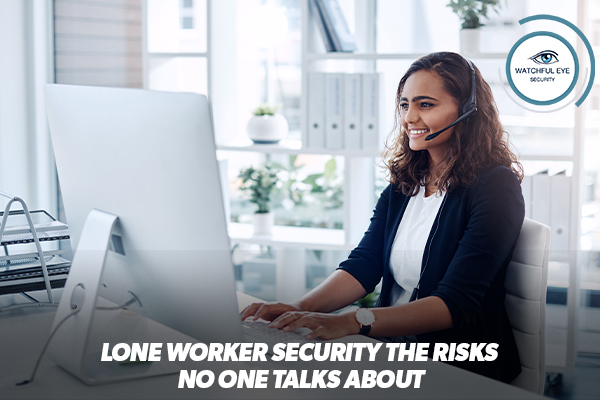
Lone Worker Security: The Risks No One Talks About
Lone working is a reality for many businesses across the United Kingdom. From security officers and cleaners to delivery drivers and maintenance staff, thousands of employees carry out their duties without direct supervision. While the flexibility and efficiency of lone working can benefit organisations, it also introduces risks that are often underestimated or overlooked.
One of the most significant concerns is the lack of immediate support. When an employee works alone, there is no colleague nearby to assist in the event of an accident, illness, or confrontation. What might be a minor issue in a team environment can quickly become serious when help is not readily available. Delayed response times can increase the severity of incidents and place employees in vulnerable situations.
Personal safety is another key risk. Lone workers who interact with the public may encounter difficult or unpredictable behaviour. This is particularly relevant in roles that involve handling cash, enforcing rules, or working in isolated locations. Without visible support, individuals may feel exposed, and in some cases, become targets for aggression or intimidation.
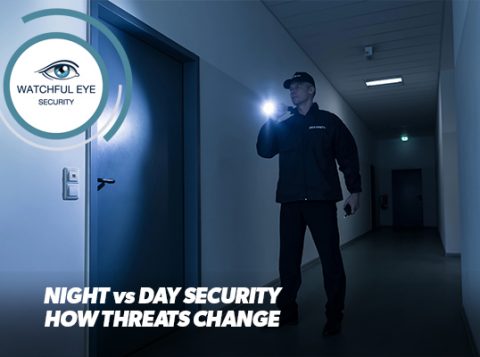
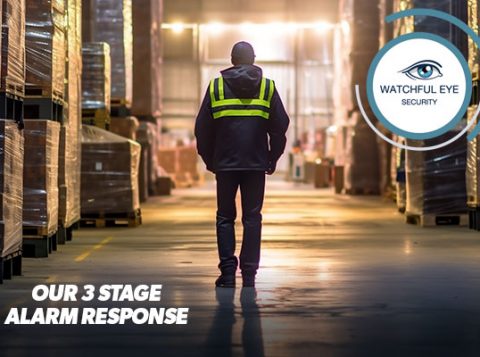
Environmental factors can also create hidden dangers. Poorly lit areas, remote sites, and unfamiliar surroundings can increase the likelihood of accidents or unauthorised access. Employees working outside standard hours may face additional challenges, as reduced activity and visibility can make it harder to identify potential risks.
Communication is often a weak point in lone working arrangements. Without clear and reliable systems in place, it can be difficult to monitor an employee’s safety. Missed check-ins or unclear reporting procedures can delay action when something goes wrong. In some cases, incidents may go unnoticed for extended periods, increasing the potential for harm.
There is also a psychological aspect that is rarely discussed. Working alone for long periods can lead to feelings of isolation and increased stress. Employees may feel less confident in handling challenging situations without support. This can affect both wellbeing and performance, particularly in roles that require decision-making under pressure.
From a legal perspective, employers have a duty to ensure the safety of all staff, including those who work alone. Failing to recognise and address these risks can lead to serious consequences, including legal action and reputational damage. Compliance is not simply about having policies in place, but about ensuring those policies are effective and actively followed.
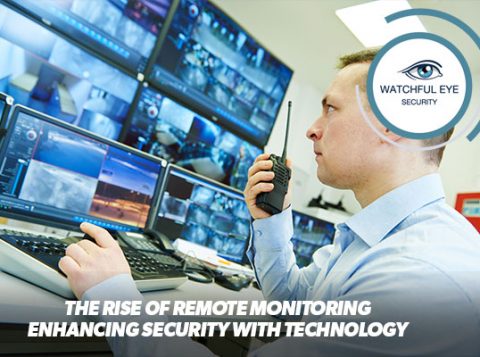
Professional security measures can help bridge the gap. Regular patrols, remote monitoring, and rapid response services provide an added layer of protection for lone workers. Even the knowledge that support is available can improve confidence and reduce anxiety. Technology such as lone worker devices and mobile tracking systems can also enhance communication and ensure that help can be dispatched quickly if needed.
Training is equally important. Employees should be equipped with the knowledge and skills to recognise risks, manage conflict, and respond to emergencies. Clear procedures and regular updates help ensure that everyone understands their role in maintaining a safe working environment.
Lone working is unlikely to disappear, but the way it is managed can make a significant difference. By acknowledging the risks that are often overlooked and taking proactive steps to address them, businesses can protect their employees and strengthen their overall security approach.
Ensuring the safety of lone workers is not just a legal obligation. It is a reflection of how much a business values its people. By investing in the right support and safeguards, organisations can create a safer, more confident workforce, even when employees are working alone.