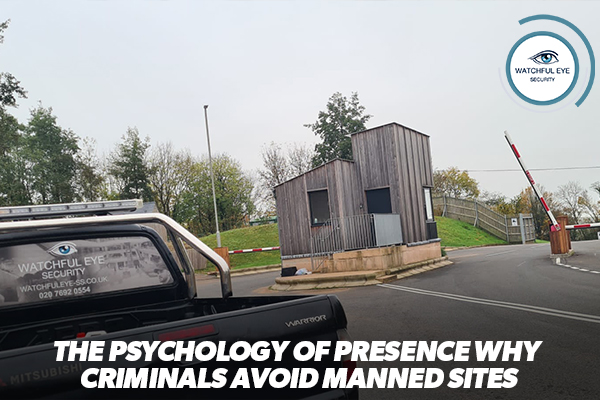
The Psychology of Presence: Why Criminals Avoid Manned Sites
Security is not only about physical barriers and surveillance systems. It is also about perception. The way a location appears to potential offenders can significantly influence whether it becomes a target. One of the most effective deterrents in any security strategy is a visible human presence. The psychology behind this is simple yet powerful: criminals are far less likely to act when they believe they are being watched and challenged.
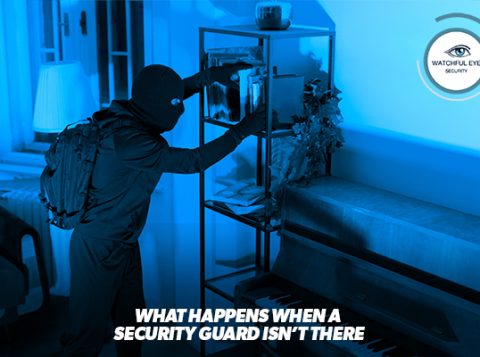
Most criminal behaviour is driven by opportunity and risk assessment. Offenders tend to look for environments where they can operate with minimal resistance and a low chance of being caught. Unmanned sites, particularly those with limited activity or poor visibility, are often seen as easier targets. In contrast, a site with professional security personnel presents uncertainty and increased risk, making it far less appealing.
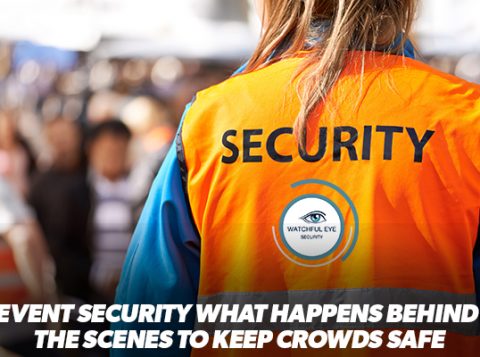
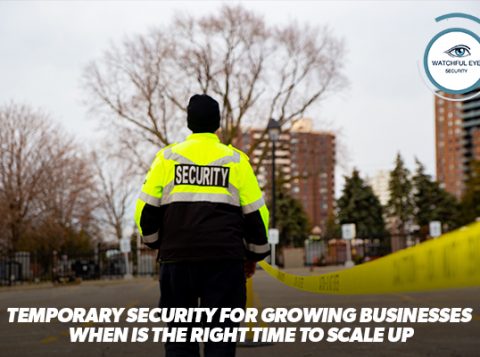
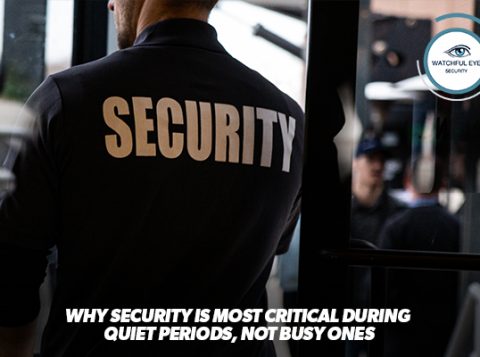
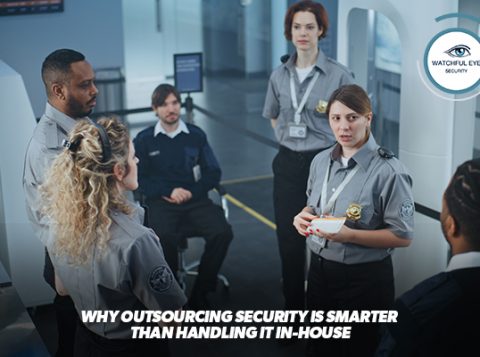
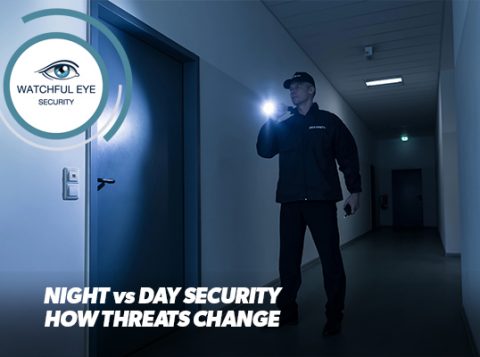
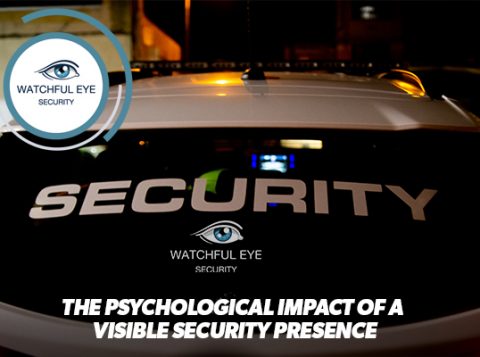
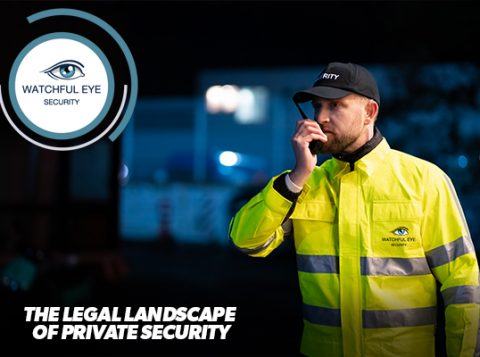
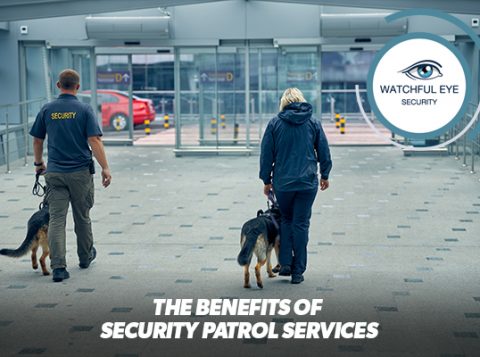
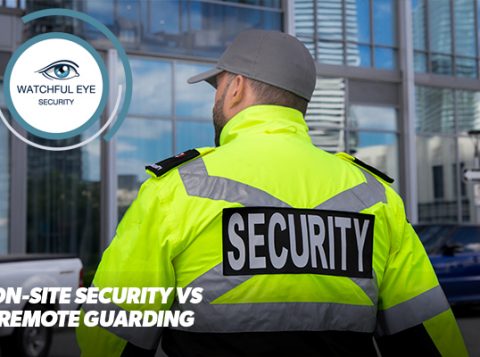
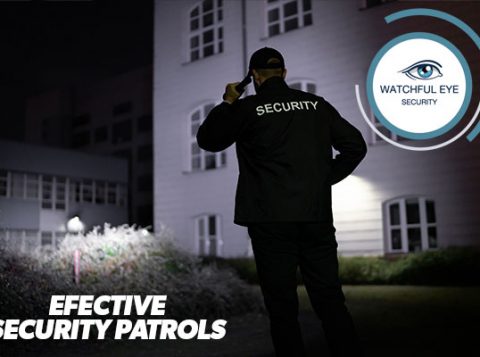
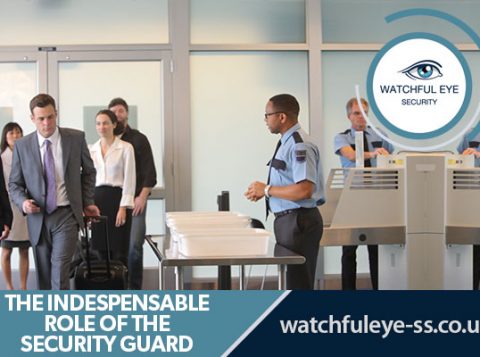
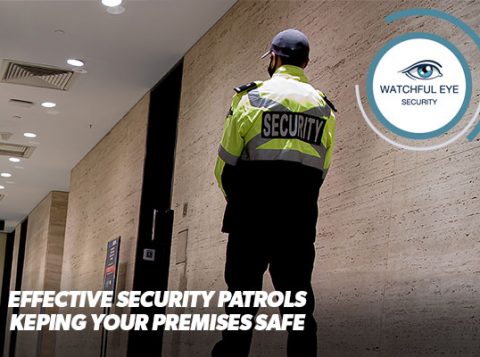
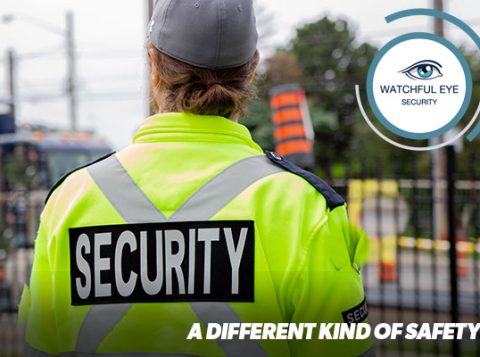
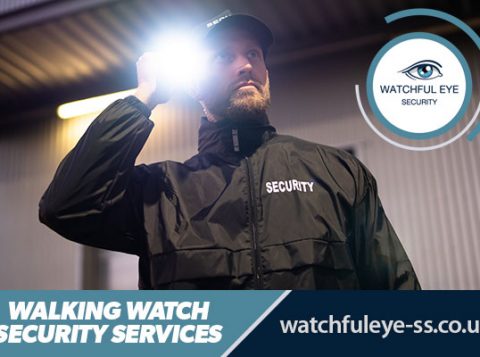
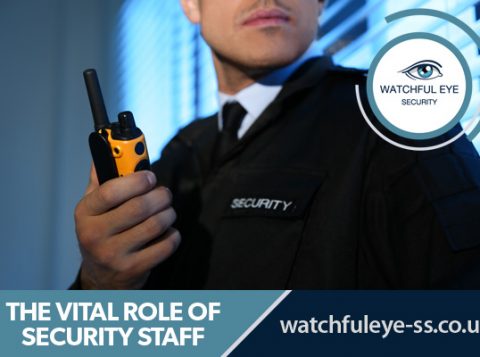
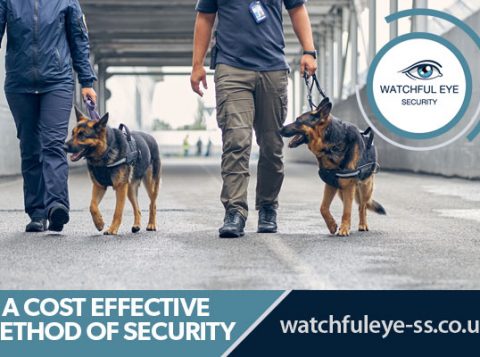
A visible security presence creates an immediate sense of control. Uniformed guards signal that the premises are actively monitored and that any suspicious behaviour will likely be noticed. This perception alone can be enough to discourage opportunistic crime. Criminals often prefer to avoid confrontation, and the presence of trained personnel introduces the possibility of being stopped, questioned, or reported.
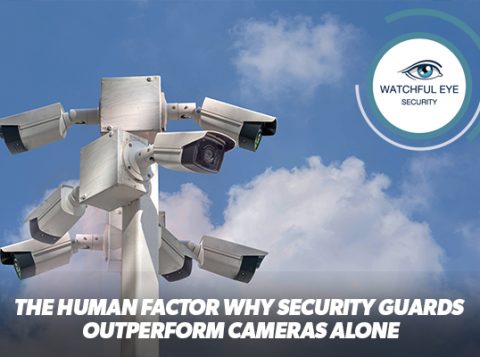
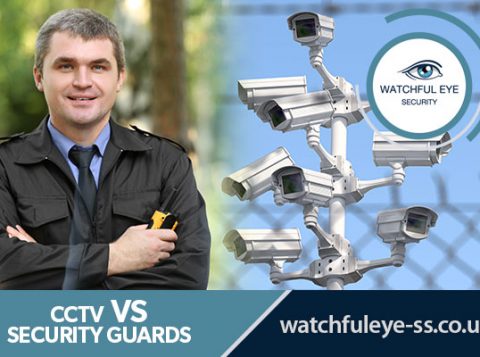
Human presence also introduces unpredictability. Unlike static security measures, such as cameras or alarms, security guards can move around, change patrol routes, and respond in real time. This unpredictability makes it difficult for potential offenders to plan their actions. Without knowing when or where a guard may appear, the level of risk becomes too high for many to justify.
Another important factor is the ability to intervene. While technology can record or alert, it cannot physically respond. Security guards provide immediate action. They can approach individuals, assess situations, and take appropriate steps to prevent incidents from escalating. This capability significantly reduces the window of opportunity for criminal activity.
The psychological impact extends beyond deterrence. A manned site often feels more organised and professionally managed. This atmosphere influences behaviour not only among potential offenders but also among staff, visitors, and members of the public. People are more likely to act responsibly in environments where there is a clear presence of authority and oversight.
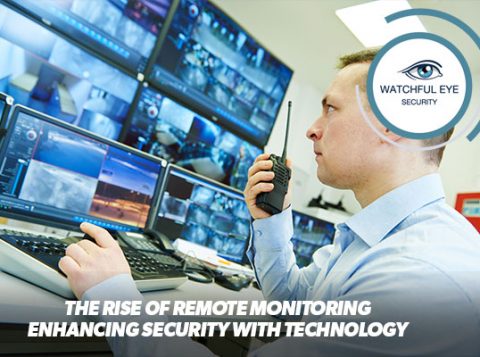
Criminals are also aware that manned sites often have layered security measures. The presence of guards suggests that there may be additional systems in place, such as monitored surveillance, access controls, and rapid response procedures. This combination further increases the perceived risk and reduces the likelihood of an attempt.
Even in situations where offenders are determined, the presence of security personnel can limit the scale and impact of any incident. Quick intervention can prevent minor issues from becoming serious problems, protecting both people and property.
The effectiveness of a visible security presence lies in its ability to influence decision-making before a crime occurs. It shifts the balance from opportunity to risk, encouraging potential offenders to look elsewhere. This preventative approach is often more effective and cost-efficient than dealing with the consequences of a security breach.
Ultimately, the psychology of presence is about more than visibility. It is about creating an environment where criminal activity feels difficult, risky, and likely to fail. By investing in professional, manned security, businesses can take control of how their premises are perceived and significantly reduce the likelihood of becoming a target.