Event Security: What Happens Behind the Scenes to Keep Crowds Safe
When people attend an event, their focus is on the experience. They enjoy the atmosphere, the entertainment, and the sense of being part of something special. What they rarely see is the detailed security planning that makes that experience possible. Behind every well-run event is a coordinated effort designed to protect attendees and keep everything running smoothly.
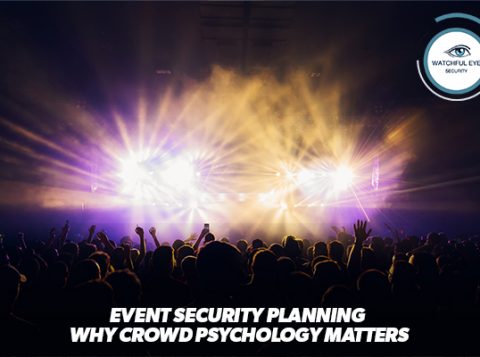
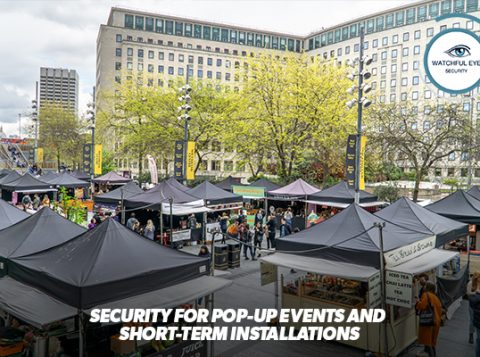
Long before the event begins, security teams are already at work. Planning starts with a thorough understanding of the event itself, including the size of the crowd, the type of audience, and the nature of the venue. Each event presents different challenges, and security strategies are carefully tailored to match these conditions. This preparation helps identify potential risks and ensures that appropriate measures are put in place from the outset.
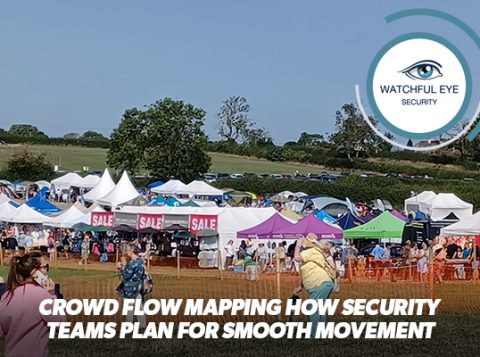
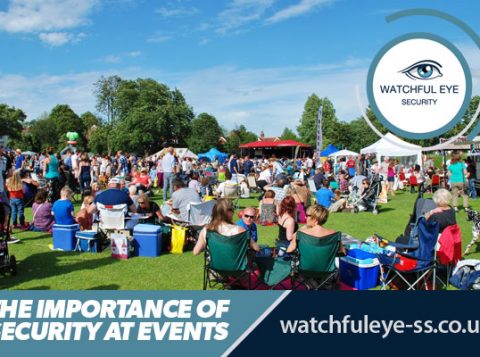
The layout of the venue plays a crucial role in crowd safety. Security planners consider how people will move through the space, where they are likely to gather, and how to prevent congestion. Entry and exit points are positioned to allow for steady flow, while clear routes are maintained for emergency access. Even small details, such as the placement of barriers or signage, are carefully thought through to reduce confusion and maintain order.
Coordination between teams is essential. Security staff, event organisers, medical services, and local authorities all work together to create a unified approach. Clear communication channels are established so that information can be shared quickly and accurately. This level of coordination ensures that any issue, no matter how small, can be addressed before it develops into something more serious.
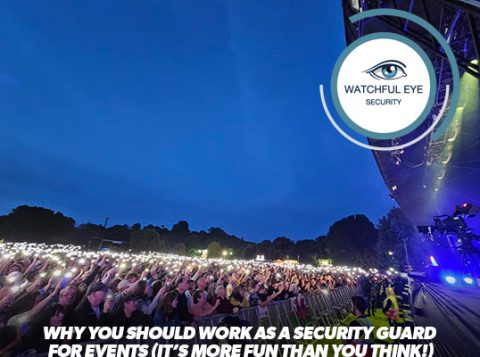
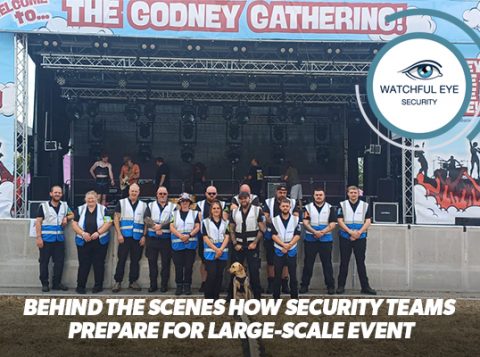
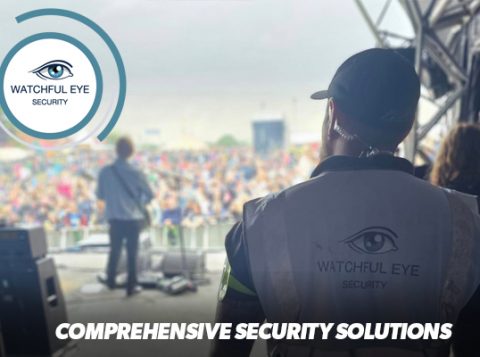
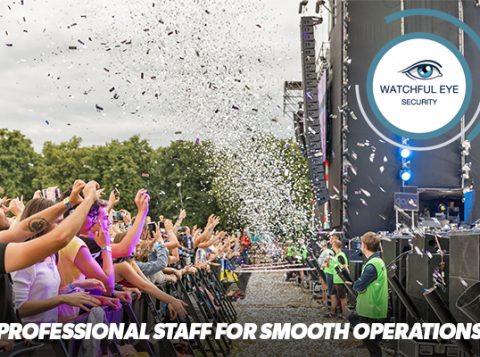
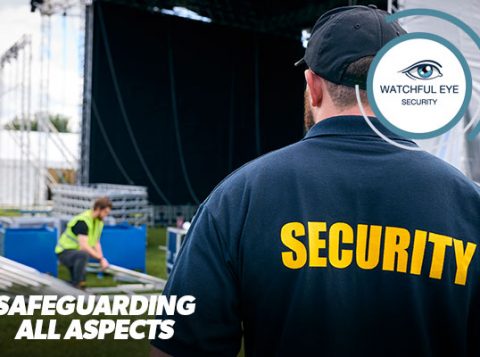
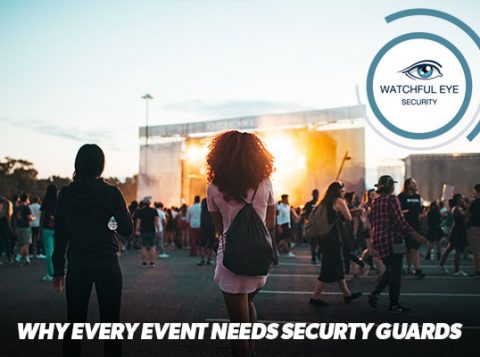
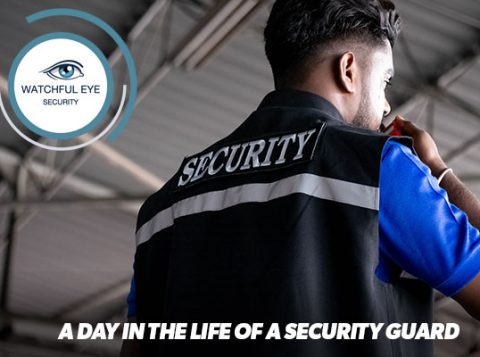
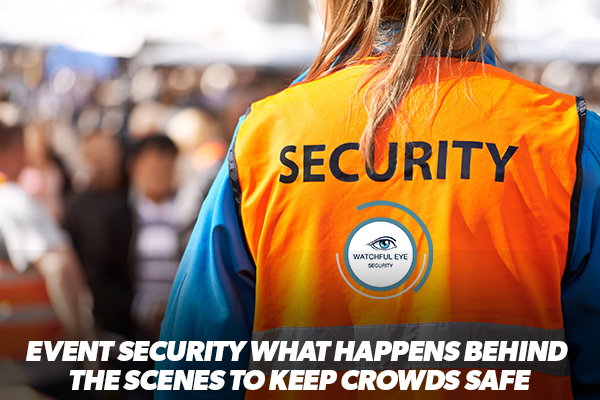
As the event begins, security teams shift from planning to active monitoring. Personnel are positioned throughout the venue, observing crowd behaviour and responding to changing conditions. Their role is not only to enforce rules but also to provide reassurance. A visible and approachable presence helps attendees feel safe and supported.
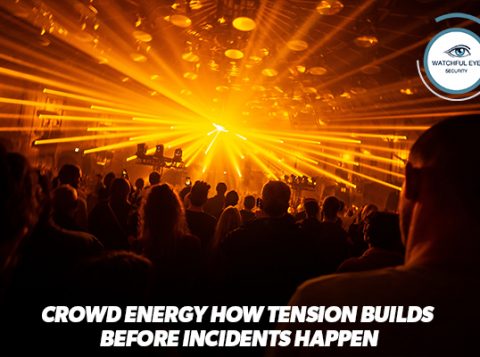
Crowd behaviour is constantly assessed. Security staff are trained to recognise early signs of tension, such as overcrowding, agitation, or unusual movement patterns. By identifying these signals early, they can take steps to relieve pressure, redirect foot traffic, or communicate with the crowd to maintain calm. This proactive approach is key to preventing incidents before they occur.
Access control is another important aspect of behind-the-scenes security. Tickets, passes, and identification are checked to ensure that only authorised individuals enter specific areas. This protects both the general public and restricted zones such as backstage or operational spaces. Maintaining control over who enters and moves within the venue reduces the risk of disruption or unauthorised activity.
Emergency preparedness is always part of the plan. While no organiser wants to think about worst-case scenarios, being ready for them is essential. Security teams are trained to respond quickly and effectively to a range of situations, from medical incidents to unexpected crowd surges. Clear procedures and rehearsed responses help ensure that any emergency is handled calmly and efficiently.
Technology often supports these efforts, but it is the human element that brings everything together. Cameras and communication systems provide valuable information, yet it is the judgement and experience of trained professionals that guide the response. Security teams adapt to real-time conditions, making decisions that keep the event safe without disrupting the experience.
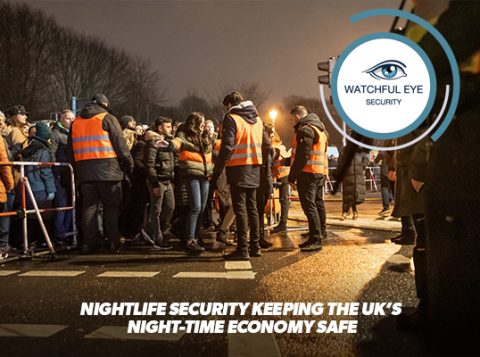
As the event comes to an end, security responsibilities continue. Managing the safe departure of large crowds is just as important as controlling entry. Ensuring that people leave the venue in an orderly manner helps prevent congestion and reduces the risk of incidents outside the event space.
Event security is a continuous process that begins long before the first guest arrives and continues until the last person has left. It is a blend of planning, observation, communication, and quick decision-making. While much of this work remains unseen, it is essential to creating a safe and enjoyable environment for everyone.
By understanding what happens behind the scenes, it becomes clear that effective event security is not just about responding to problems. It is about anticipating them, managing them, and ensuring that every attendee can enjoy the occasion with confidence.