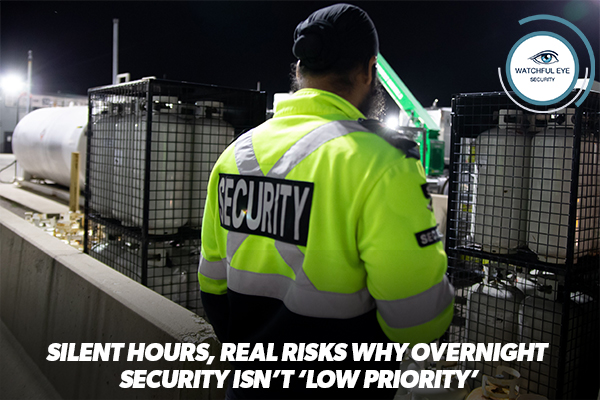
Silent Hours, Real Risks: Why Overnight Security Isn’t ‘Low Priority’
When businesses close their doors at the end of the day, it is easy to assume that the risks close with them. In reality, the opposite is often true. The overnight period can present some of the greatest security challenges, yet it is frequently treated as a lower priority. With fewer people around and limited activity, many sites become more vulnerable once darkness falls.
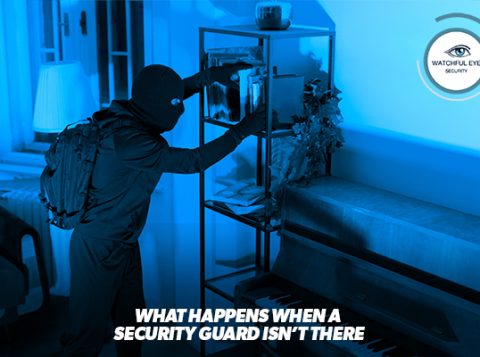
During the night, natural supervision disappears. There are no staff members moving through the building, no customers entering or leaving, and often very little foot traffic nearby. This lack of visibility creates an ideal environment for opportunistic crime. Criminals are more likely to act when they believe they will not be seen or interrupted, and quiet, unoccupied premises offer exactly that.
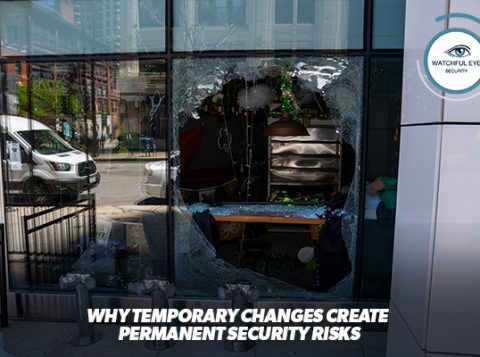
Businesses that rely solely on alarms or cameras during overnight hours may face delays in response. While these systems can alert owners or monitoring centres, they cannot physically intervene. By the time a response is triggered, damage may already have been done. Broken entry points, stolen goods, or vandalised property can occur within minutes, leaving businesses to deal with the aftermath.
The risks are not limited to theft. Vandalism, trespassing, and anti-social behaviour often increase during late hours. Empty car parks, storage areas, and building perimeters can attract unwanted attention. Even minor incidents can escalate if they go unnoticed, leading to more significant damage over time.
Fire risk is another concern that is often overlooked. Electrical faults, unattended equipment, or deliberate acts can result in fires starting when no one is present to respond quickly. Without immediate action, a small issue can develop into a major incident, causing extensive damage and disruption.
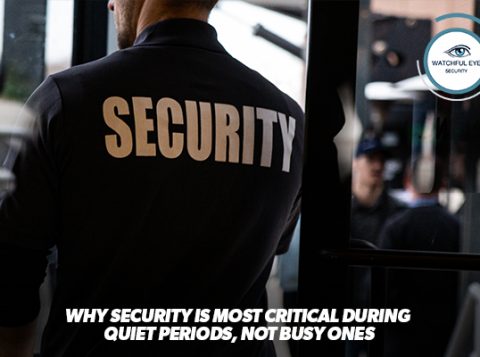
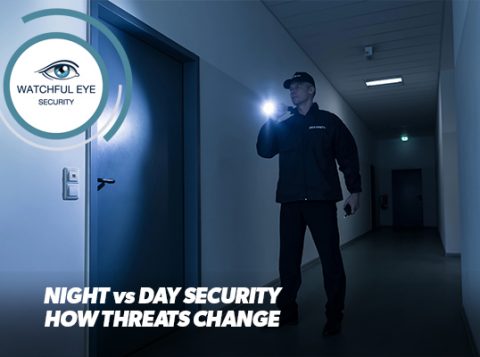
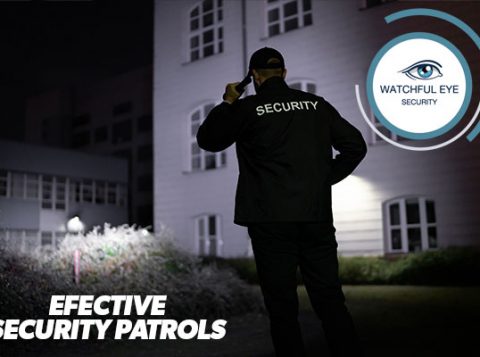
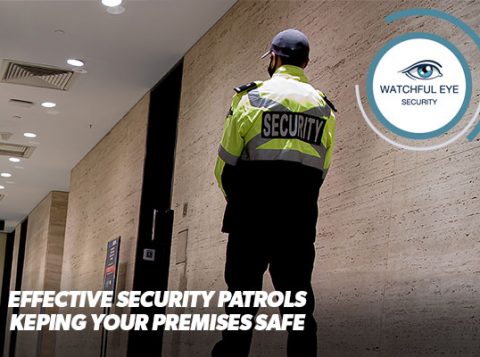
Overnight security provides a critical layer of protection during these high-risk hours. A visible presence acts as a strong deterrent, making it clear that the site is actively monitored. Security guards conducting regular patrols can identify potential issues early, from attempted break-ins to safety hazards, and take action before they escalate.
In addition to preventing crime, overnight security supports overall site management. Guards can check that doors and windows are secure, ensure lighting is functioning correctly, and monitor for anything unusual. This proactive approach helps maintain the condition of the property and reduces the likelihood of unexpected problems.
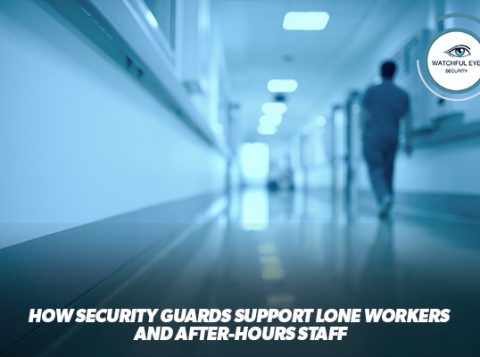
There is also a psychological benefit. Business owners and managers gain peace of mind knowing that their premises are not left unprotected. Staff returning early in the morning or working late shifts feel reassured when they know security measures are in place. This sense of safety contributes to a more confident and productive working environment.
Treating overnight security as a low priority can lead to costly consequences. Incidents that occur outside of working hours often go unnoticed until it is too late, resulting in financial loss, operational disruption, and potential reputational damage. In contrast, investing in proper night-time protection helps prevent problems before they arise.
Security does not end when the working day finishes. In many ways, it becomes even more important. By recognising the real risks associated with silent hours and taking proactive steps to address them, businesses can ensure that their assets, property, and reputation remain protected around the clock.