Security for Vulnerable Sites
When it comes to protecting property, not all sites face the same risks. Warehouses, construction sites and vacant buildings each present their own security challenges, making them some of the most vulnerable locations in the UK. Their layout, activity level and the value of the items stored or left behind all contribute to increased exposure. Understanding what makes these environments unique is the first step toward building an effective security strategy that truly reduces risk.
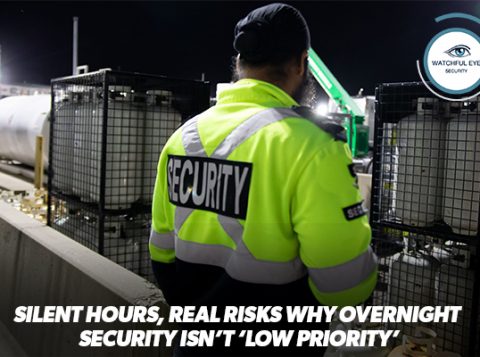
Warehouses are often targeted because of the high-value stock they contain. These buildings typically store goods in bulk, and their large open layouts can make it easier for intruders to hide or move unnoticed. Many warehouses operate 24/7, meaning there may be long stretches of time with minimal supervision, especially during night shifts or handover periods. The constant movement of deliveries, staff and contractors also increases the chance of tailgating or unauthorised access. Because goods can be stolen and removed quickly, warehouses require strong access control, trained security guards and consistent monitoring to prevent losses.
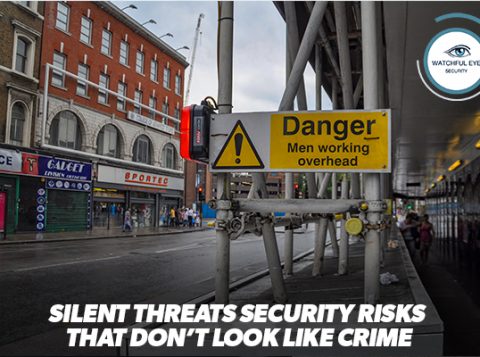
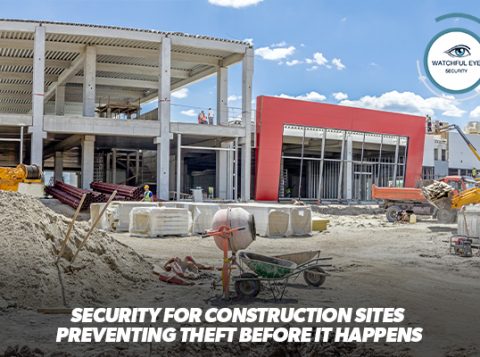
Building sites face a completely different set of challenges. Their temporary nature makes them harder to secure, as boundaries and layouts constantly change as the project progresses. Expensive tools, equipment and materials such as copper, timber and machinery are major targets for thieves, who often plan their break-ins based on predictable working hours. Construction sites also have safety hazards that can cause injury to trespassers, increasing the risk of liability for site managers. With uneven terrain, limited lighting and multiple entry points, building sites demand regular patrols and vigilant guards who can identify risks before they escalate. Effective security isn’t just about preventing theft; it’s also about maintaining safety and compliance throughout the project.
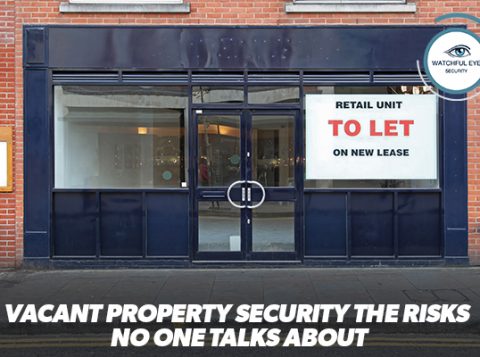
Vacant properties may seem low-risk because they’re not in daily use, but they can be some of the most problematic to protect. Empty buildings attract vandals, squatters and arsonists, especially if they look neglected or unsecured. Once occupied without permission, removing individuals becomes a lengthy and costly legal process. Vacant properties can also suffer from damage that goes unnoticed for long periods, such as leaks, break-ins or structural issues. Without regular checks or a visible security presence, these sites can deteriorate quickly, ultimately reducing their long-term value. Security guards play a crucial role by providing routine inspections, monitoring access and creating a clear deterrent that keeps unwanted visitors away.
Although these three types of sites differ in purpose, they all share one important characteristic: they are highly vulnerable when left unprotected. Whether it’s the high-value stock in warehouses, the ever-changing risks on building sites or the isolation of vacant properties, each location demands a security approach tailored to its unique environment. Trained security guards bring expertise, adaptability and a proactive presence that helps reduce the likelihood of theft, damage and liability. Investing in proper protection ensures not only the safety of the site but also the long-term financial stability of the business behind it.