Crowd Energy: How Tension Builds Before Incidents Happen
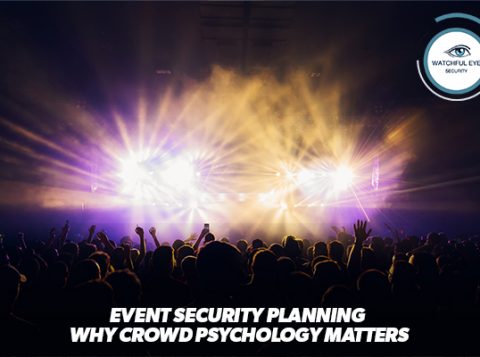
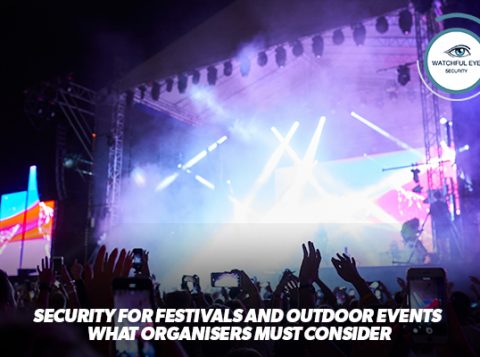
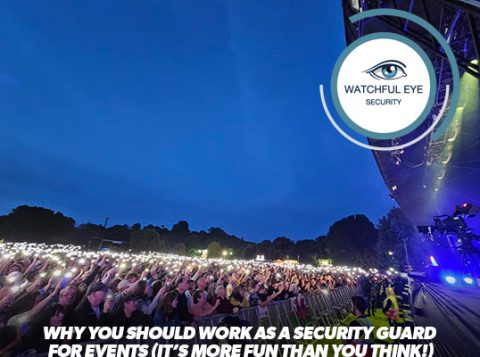
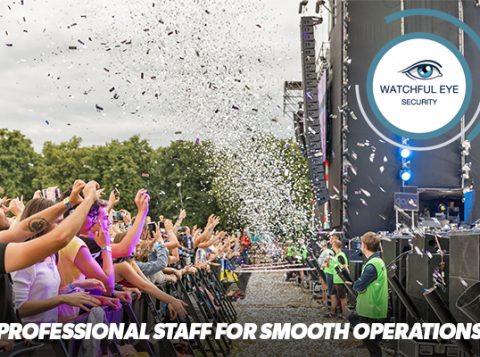
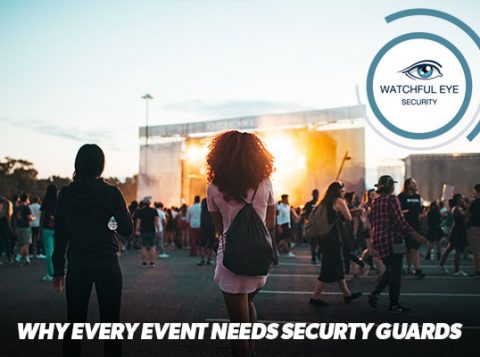
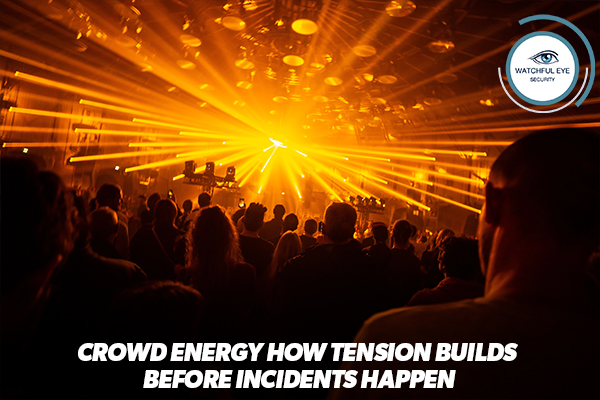
Large gatherings are often filled with excitement, anticipation, and shared energy. Whether it is a concert, festival, sporting event, or public celebration, the atmosphere created by a crowd can be powerful. While this energy is usually positive, it can also shift quickly if not carefully managed. Understanding how tension builds within a crowd is essential for preventing incidents and maintaining a safe environment.
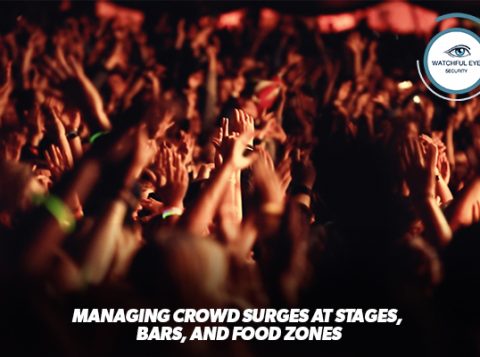
Crowd energy is influenced by emotion, movement, and shared behaviour. People tend to mirror the actions and attitudes of those around them. When the mood is relaxed and organised, the crowd remains calm. However, when frustration, confusion, or impatience begins to spread, it can affect large groups in a short space of time.
One of the most common triggers for rising tension is uncertainty. Delays, unclear instructions, or poor communication can leave people feeling unsure about what is happening. When individuals do not have clear information, they often rely on assumptions or the behaviour of others. This can lead to restlessness, pushing, or attempts to move in different directions, especially in crowded spaces.
Physical discomfort can also contribute to tension. Overcrowding, limited space, and restricted movement can make people feel uneasy. When individuals feel trapped or unable to move freely, their stress levels increase. This can result in agitation and, in some cases, panic. Even a small disturbance in a tightly packed area can have a ripple effect, as people react to sudden changes around them.
Environmental factors play a role as well. Heat, noise levels, and long waiting times can all impact how a crowd behaves. As discomfort increases, patience tends to decrease. What may start as mild frustration can gradually build into more serious tension if not addressed.
Another important factor is the influence of group behaviour. In large crowds, individuals may feel less personally accountable for their actions. This can lead to behaviour that they would not normally display in smaller or more controlled settings. If a few people begin to act aggressively or push forward, others may follow without fully considering the consequences.
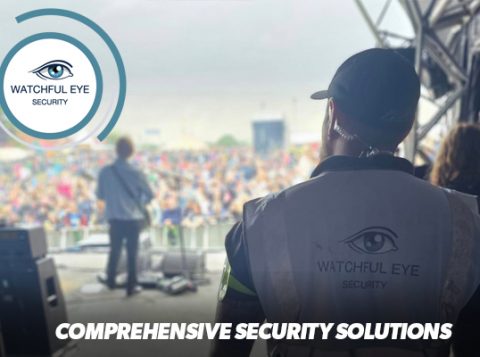
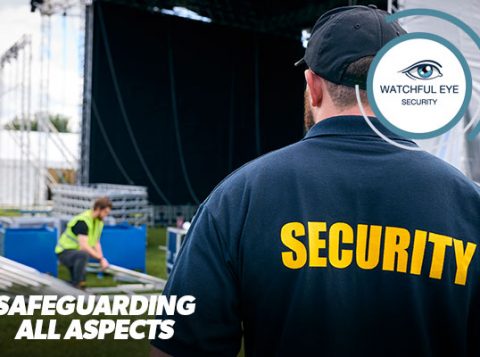
Security and event staff play a vital role in recognising the early signs of rising tension. Subtle changes, such as increased noise levels, visible frustration, or unusual crowd movement, can indicate that the atmosphere is shifting. Early intervention is key. A calm and visible presence helps reassure attendees and prevents situations from escalating.
Clear communication is one of the most effective ways to manage crowd energy. When people understand what is happening and what to expect, they are more likely to remain calm. Simple measures such as clear signage, regular announcements, and approachable staff can make a significant difference.
Good event planning also helps reduce the risk of tension building. Adequate space, well-organised entry and exit points, and thoughtful layout design allow crowds to move comfortably. When people feel they have room to move and access to information, the overall atmosphere remains positive.
Crowd energy is not inherently dangerous, but it must be managed with care. The transition from excitement to tension can happen gradually, often without immediate notice. By understanding how these changes occur and responding early, event organisers and security teams can prevent incidents before they develop.
A well-managed crowd feels safe, informed, and in control. By paying attention to the subtle build-up of tension and taking proactive steps to address it, events can remain enjoyable and secure for everyone involved.