Vacant Property Security: The Risks No One Talks About
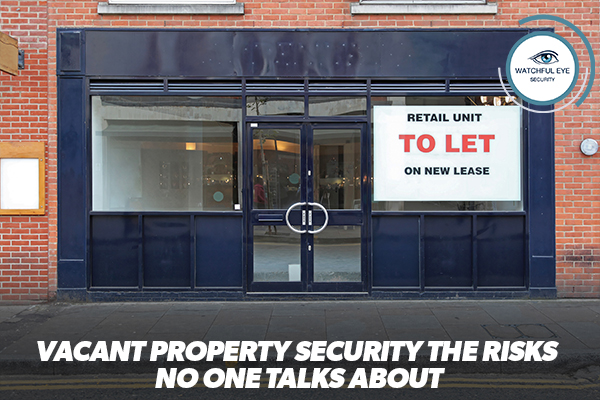
Vacant properties are often seen as low priority when it comes to security. Whether a building is awaiting sale, renovation, or new tenants, it can be easy to assume that locking the doors and installing a basic alarm system is enough. In reality, empty properties present a wide range of risks that are frequently underestimated.
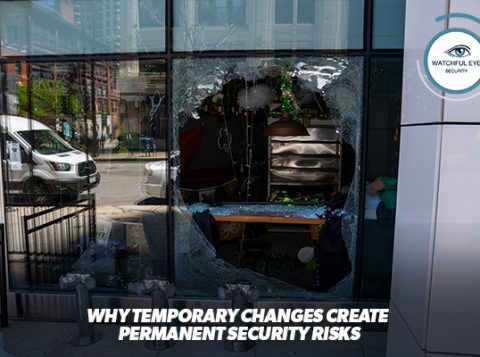
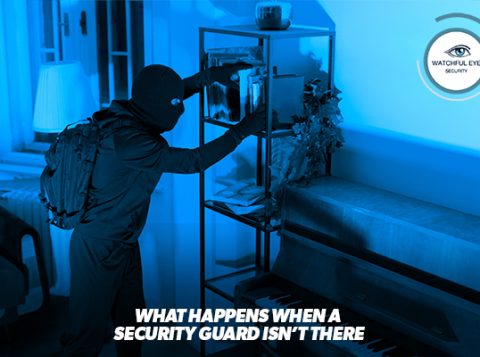
One of the most immediate dangers is unauthorised access. An empty building can quickly attract attention, particularly if it appears neglected. Broken windows, overgrown grounds, or a lack of lighting can signal that no one is regularly present. Opportunistic trespassers may see this as an invitation, and in some cases, organised criminals actively seek out vacant premises.
Theft is a common concern, even in properties that seem to have little value inside. Fixtures, fittings, copper piping, wiring, and even roofing materials can be stripped and resold. In commercial buildings, leftover equipment or stored materials may become easy targets. The cost of replacing stolen items is often just the beginning, as further damage frequently occurs during forced entry.
Vandalism is another risk that can escalate quickly. Graffiti, smashed windows, and deliberate property damage not only result in repair costs but can also reduce the overall value of the building. Once a property becomes visibly vandalised, it may attract further incidents. This cycle of damage can be difficult and expensive to reverse.
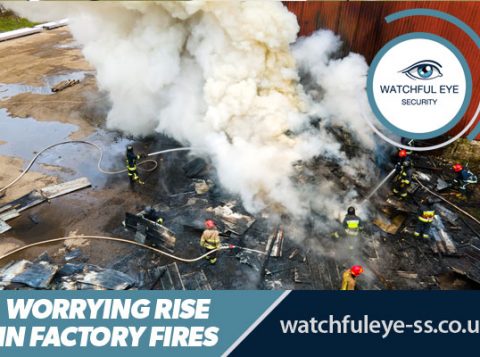
There are also less obvious risks that many property owners overlook. Vacant buildings can become gathering places for anti-social behaviour. This increases the likelihood of fire hazards, particularly if individuals gain access and use the space for shelter. Even a small fire can cause extensive structural damage and pose a risk to neighbouring properties.
Insurance complications are another hidden issue. Many insurers impose strict conditions on vacant properties, including regular inspections and specific security requirements. Failure to meet these conditions may invalidate cover in the event of a claim. Property owners sometimes discover too late that their insurance does not fully protect them once a building has been empty for a certain period.
Beyond physical damage, vacant properties can harm the surrounding community. An unsecured building may lower the appearance of an area and create a sense of neglect. This can affect neighbouring businesses and residents, reducing confidence and potentially impacting local property values.
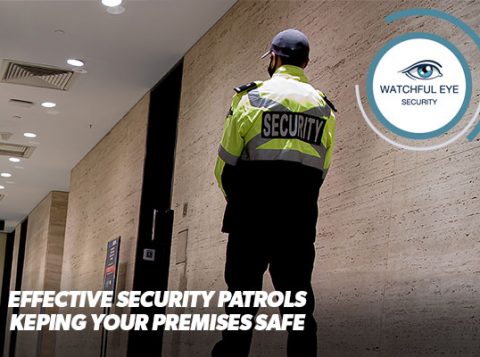
Professional vacant property security provides a proactive solution. Regular inspections help identify early signs of attempted entry or damage before they escalate. Security patrols create a visible presence that discourages trespassers and signals that the property is being actively monitored.
Additional measures such as reinforced access points, secure boarding, and monitored alarm systems add further protection. When these are combined with professional oversight, the likelihood of unauthorised access decreases significantly. The presence of security personnel also allows for rapid response if an alarm is triggered or suspicious activity is detected.
Protecting a vacant property is not simply about preventing theft. It is about safeguarding an investment, maintaining insurance compliance, and preserving the building’s condition for future use. Ignoring the risks can lead to escalating costs and prolonged delays in redevelopment or sale.
Vacant properties may be empty, but they are far from risk-free. By taking security seriously and implementing robust measures, property owners can prevent the hidden dangers that too often go unnoticed until it is too late.