Event Security Planning: Why Crowd Psychology Matters
Successful events rely on more than careful scheduling and an attractive venue. Behind every safe and well-managed event is a clear understanding of how crowds think and behave. Crowd psychology plays a crucial role in event security planning, helping organisers anticipate risks, prevent incidents, and create an environment where guests feel safe and comfortable.
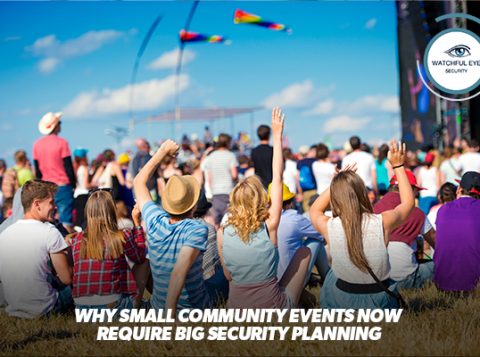
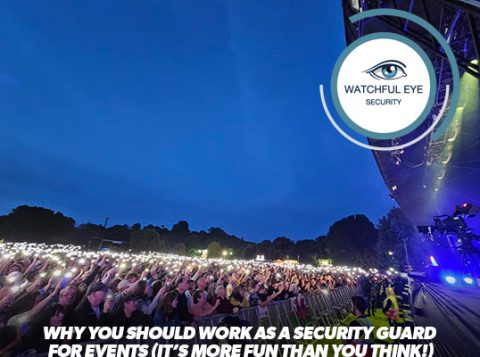
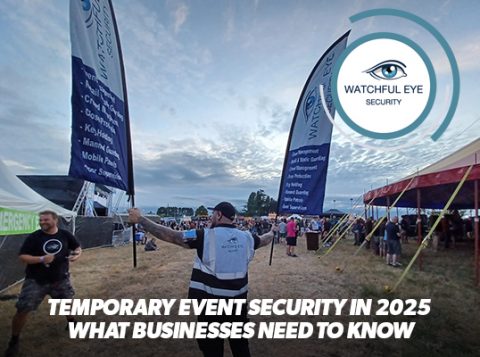
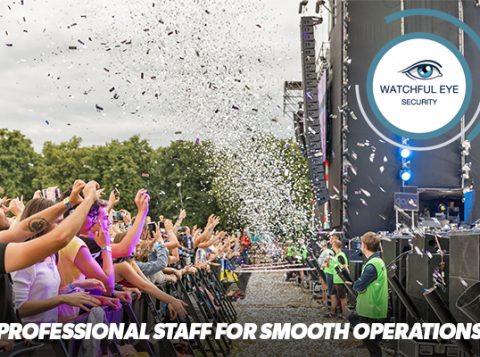
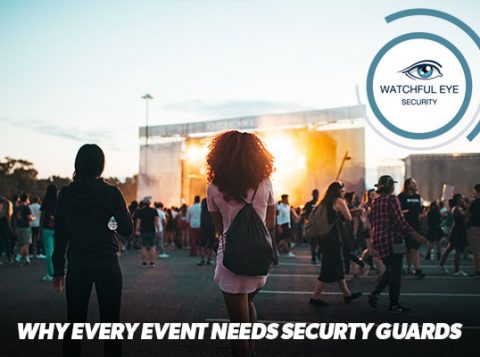
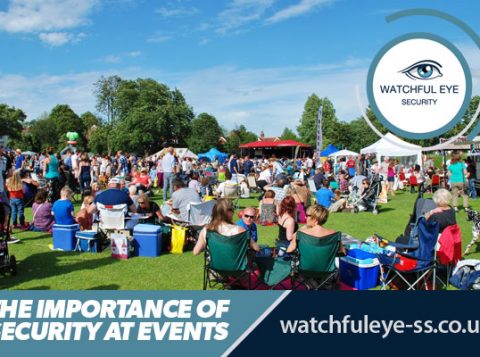
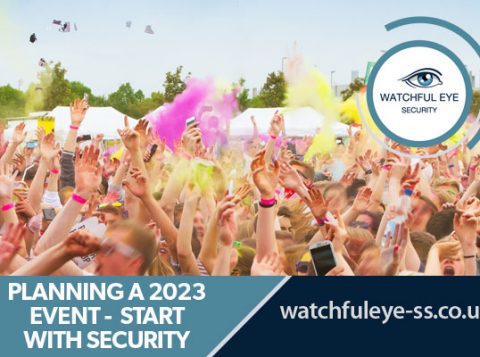
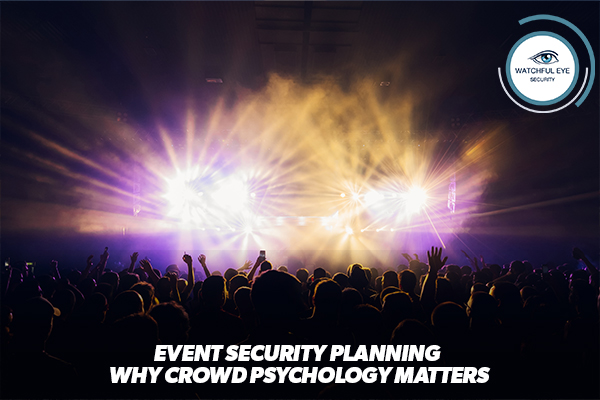
When individuals gather in large numbers, their behaviour can change. People often respond to the mood and actions of those around them. Excitement can spread quickly, but so can anxiety or panic. In high-energy environments such as concerts, festivals, and sporting events, emotions are often heightened. Without proper planning, even minor disruptions can escalate if the crowd reacts collectively.
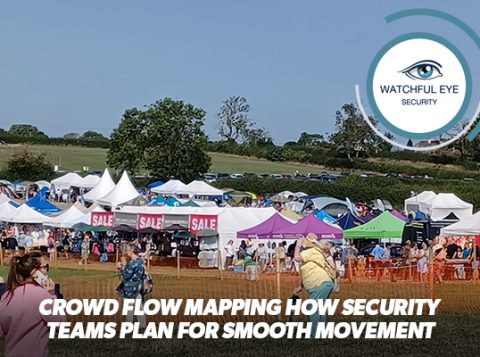
Understanding crowd psychology allows security teams to plan proactively rather than reactively. By studying how groups are likely to move, gather, and respond in different situations, organisers can design safer layouts and clearer pathways. Wide walkways, visible signage, and well-marked exits reduce confusion and lower the risk of congestion. When people feel they have space and clear direction, they are less likely to become frustrated or distressed.
Communication also plays a vital role in influencing crowd behaviour. Clear, calm announcements help maintain order and reassure attendees if delays or changes occur. When information is delivered confidently and transparently, it reduces uncertainty, which is often a trigger for panic. Security staff trained in crowd awareness understand how to speak and act in ways that de-escalate tension rather than increase it.
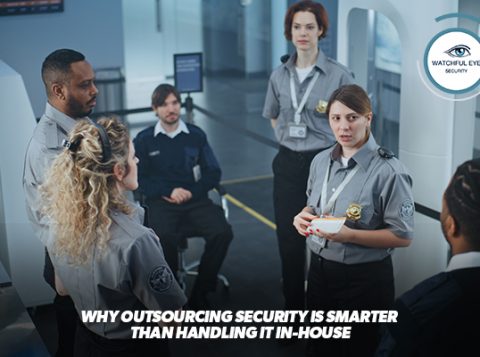
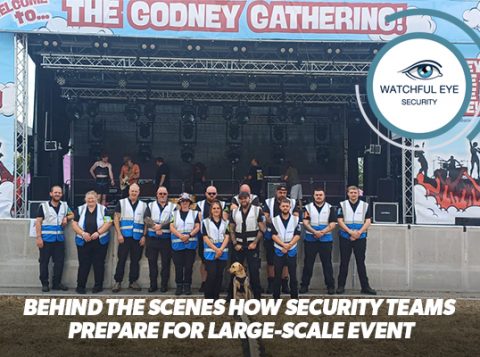
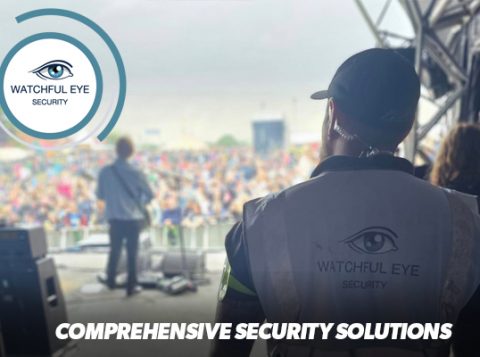
Visible security presence contributes significantly to how a crowd behaves. Professional and approachable security personnel provide reassurance without creating an atmosphere of intimidation. When attendees see that the event is well organised and monitored, they are more likely to remain calm and cooperative. A respectful approach encourages positive interactions and builds trust between guests and staff.
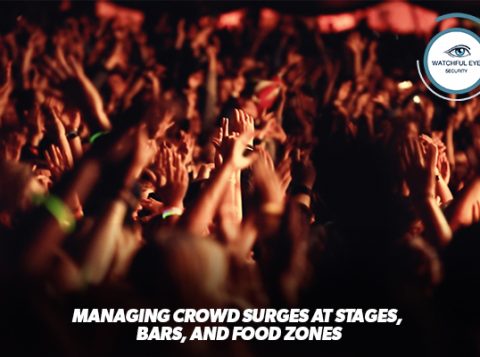
Crowd psychology is especially important during peak moments, such as headline performances or event closures. These periods often involve sudden shifts in movement as people gather or disperse. Security planning must anticipate these patterns and ensure that adequate staff are positioned in key areas. Proper planning prevents dangerous bottlenecks and reduces the risk of pushing or overcrowding.
Emergency situations highlight the importance of understanding group behaviour. In times of uncertainty, people naturally look to others for cues on how to react. If security personnel respond quickly, remain composed, and provide clear guidance, the crowd is more likely to follow instructions calmly. Prepared and confident staff can significantly reduce the risk of panic spreading.
Alcohol consumption can also influence crowd dynamics. At certain events, lowered inhibitions and heightened emotions may increase the likelihood of disputes or disorderly behaviour. Security teams trained in behavioural awareness can identify early signs of tension and intervene discreetly before situations escalate.
Effective event security planning combines physical measures with psychological insight. Barriers, access control, and surveillance systems are important, but they must be supported by an understanding of human behaviour. When organisers consider how people think, feel, and respond in group settings, they create safer and more enjoyable experiences for everyone involved. Ultimately, events are about bringing people together. By recognising the impact of crowd psychology, organisers can design security strategies that not only prevent incidents but also enhance the overall atmosphere. A well-managed crowd feels confident, informed, and secure, allowing guests to focus on enjoying the event rather than worrying about their safety.