What Criminals Look for Before Targeting a Property (And How to Stay Off Their Radar)
What Criminals Look for Before Targeting a Property (And How to Stay Off Their Radar)
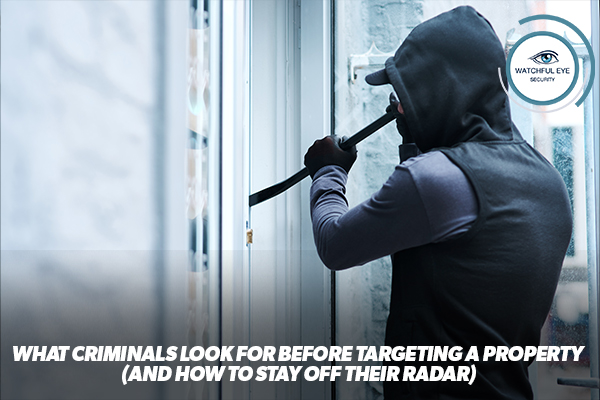
Most property crimes are not random. Whether it is burglary, vandalism, or theft, criminals often spend time observing a location before making a move. They look for easy access, low risk, and quick escape. Understanding what attracts them is one of the most effective ways to protect your home or business. When you know what they notice, you can remove the signals that make your property appear vulnerable.
One of the first things criminals look for is opportunity. An open window, an unlocked gate, or a door that appears weak or poorly maintained can be an open invitation. Even something as simple as packages left on a doorstep or mail piling up can signal that no one is paying close attention. Criminals prefer properties that look easy to enter and quick to exit. If it seems like gaining access will take little effort, the property becomes more appealing.
Poor lighting is another major factor. Dark corners, unlit driveways, and shadowed entry points provide cover. Criminals do not want to be seen, so they naturally gravitate toward areas where visibility is low. A well-lit exterior, especially around doors, windows, and pathways, significantly reduces the attractiveness of a property. Motion-sensor lighting can be especially effective because sudden illumination draws attention and increases the perceived risk.
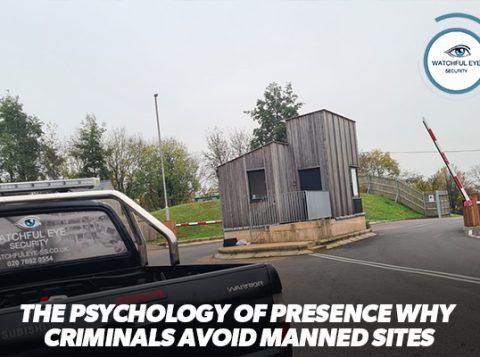
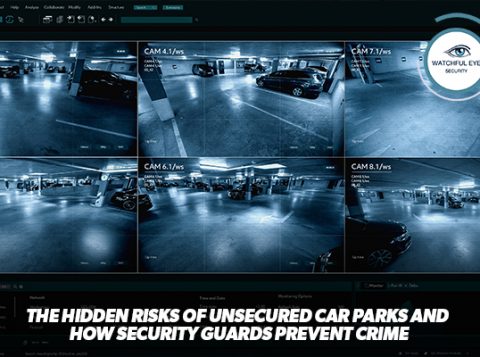
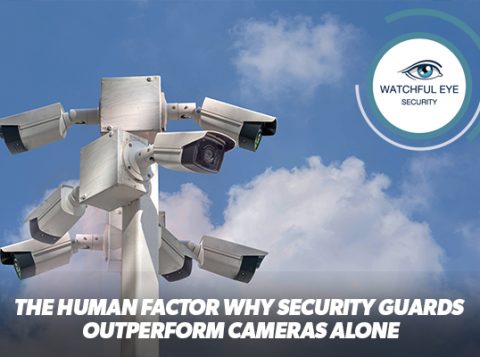
Lack of visible security measures can also make a property stand out. Homes and businesses without security cameras, alarm systems, or warning signs often appear less risky to target. Even the perception of surveillance can be enough to deter someone looking for an easy opportunity. When criminals believe they may be recorded or trigger an alarm, they are more likely to move on to another location.
Overgrown landscaping and neglected maintenance send a similar message. Tall hedges, untrimmed trees, and cluttered yards can provide hiding spots. They also suggest that the property may not be closely monitored. A well-maintained exterior gives the impression that the owner is attentive and present. Criminals prefer properties where they believe no one will notice unusual activity.
Predictable routines can also increase risk. If a property is empty at the same time every day, it becomes easier for someone to plan around that schedule. While routines are a normal part of life, small changes can make a difference. Asking a neighbor to collect mail while you are away, parking a vehicle in the driveway, or using timers for lights can create the appearance of occupancy.
Another key factor is ease of escape. Properties with direct access to main roads, alleys, or poorly monitored parking areas may be more appealing because they allow for a quick getaway. While you cannot change your location, you can increase the difficulty of escape by installing gates, secure fencing, and clearly visible cameras that cover entry and exit points.
Staying off a criminal’s radar is largely about reducing opportunity and increasing perceived risk. Secure doors and windows with quality locks. Install adequate lighting around the exterior. Keep landscaping trimmed and remove potential hiding spots. Consider adding a security system or at least visible deterrents such as cameras and alarm signage. Build relationships with neighbors so that unusual activity is more likely to be noticed and reported.
Prevention is not about living in fear. It is about understanding human behavior. Criminals typically seek the path of least resistance. When your property looks secure, well-lit, and actively monitored, it no longer fits that description. In most cases, they will simply move on in search of an easier target. By making small, consistent improvements, you can greatly reduce the chances of your property attracting unwanted attention.