Why Daytime Events Require a Different Security Approach Than Night Events
Why Daytime Events Require a Different Security Approach Than Night Events
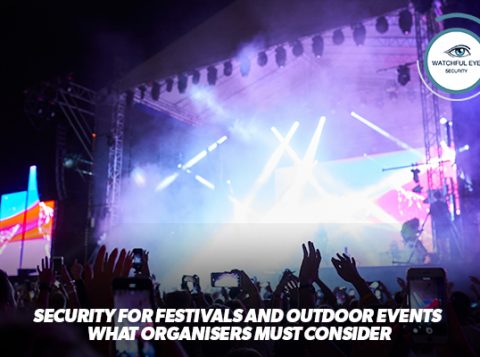
Event security is often associated with evenings and late nights, when crowds are larger and alcohol is more common. However, daytime events present their own unique challenges and require a different security approach. Assuming that daylight automatically means lower risk can leave organisers unprepared for issues that are just as disruptive and, in some cases, more difficult to manage.
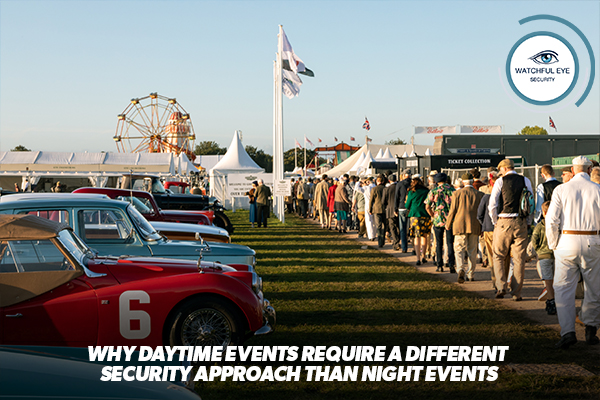
Daytime events often attract a wider and more diverse audience. Families, children, older attendees, and vulnerable individuals are more likely to be present, which changes the focus of security. Crowd safety, safeguarding, and clear access routes become especially important. Security guards must remain highly visible, approachable, and attentive to ensure that everyone feels safe and supported throughout the event.
Access control can be more complex during the day. Daytime events frequently take place in open or shared public spaces such as parks, high streets, school grounds, or community venues. This can make it harder to define boundaries and monitor entry points. Without proper oversight, unauthorised access, lost children, or overcrowding can quickly become a concern. A tailored security presence helps manage these risks while maintaining a welcoming atmosphere.
The nature of incidents also differs during daytime events. While nighttime security often focuses on managing intoxicated behaviour, daytime security is more likely to deal with medical issues, lost property, safeguarding concerns, and minor disputes. Security guards trained in observation and communication are essential for identifying problems early and resolving them calmly before they escalate.
Daytime events are also more exposed to external factors such as weather, nearby businesses, and general public activity. Sudden changes in conditions or unexpected disruptions can impact crowd movement and safety. Security guards play a key role in adapting to these changes, guiding attendees, and ensuring that emergency access routes remain clear at all times.
Another important consideration is perception. During the day, heavy-handed security can feel out of place and may discourage attendance. The right approach balances professionalism with approachability, providing reassurance without creating an intimidating environment. Experienced security guards understand how to blend into daytime events while remaining alert and effective.
Ultimately, daytime events require security planning that reflects their specific environment and audience. By recognising that daylight does not remove risk, and by adapting security strategies accordingly, event organisers can ensure that their events run smoothly and safely from start to finish.