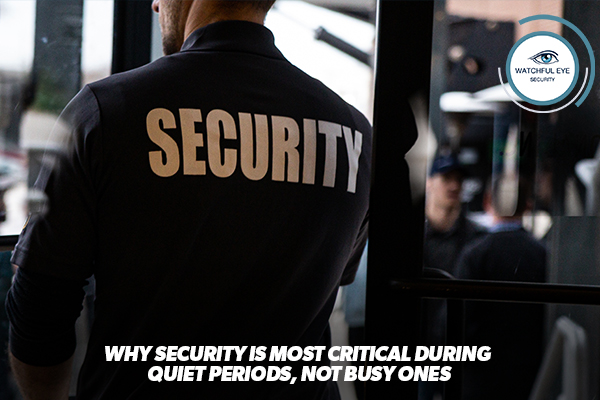
Why Security Is Most Critical During Quiet Periods, Not Busy Ones
Why Security Is Most Critical During Quiet Periods, Not Busy Ones
When organizations think about security risks, they often picture peak hours—crowded offices, heavy network traffic, and constant activity. Ironically, it’s the quiet periods that pose the greatest threat. Late nights, weekends, holidays, and off-seasons create gaps in attention, oversight, and response time. With fewer eyes watching and fewer people around to notice anomalies, vulnerabilities can linger longer and be exploited more easily.
During busy times, systems and people are alert by default. Logs are monitored, alarms are noticed quickly, and unusual behavior stands out against a backdrop of normal activity. In contrast, quiet periods reduce this baseline awareness. A single unauthorized login, unlocked door, or abnormal data transfer may go unnoticed for hours—or days—simply because no one is actively looking or available to respond.
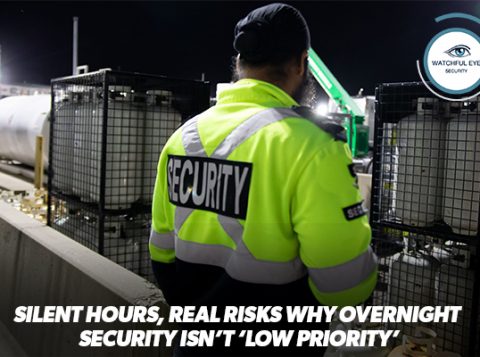
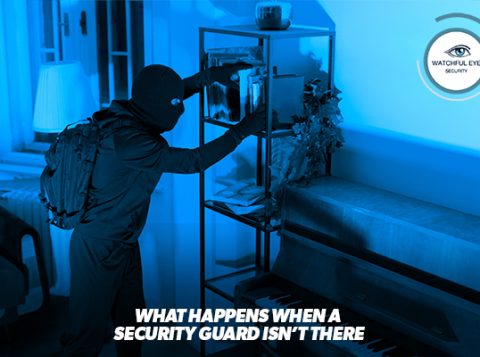
Attackers understand this dynamic well. Cybercriminal often schedule intrusions during nights or holidays, knowing security teams may be understaffed and response times slower. Physical security threats follow the same logic: empty buildings, minimal patrols, and predictable routines make it easier to bypass controls. Silence and stillness don’t deter threats; they invite them.
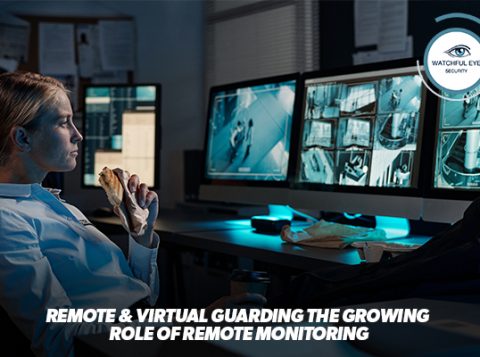
Quiet periods also expose weaknesses in processes. Backup procedures might fail without immediate detection, patches may be delayed, and temporary workarounds can become permanent risks. Without regular testing and monitoring during low-activity windows, organizations can develop a false sense of safety—assuming that “nothing happened” means “everything is secure.”
Ultimately, strong security is measured by how well it performs when no one is watching. Designing controls, staffing plans, and monitoring systems specifically for quiet periods ensures resilience around the clock. By shifting focus from peak activity to the moments of calm, organizations can close the gaps that matter most—and stay protected when it counts.