Security for Remote or Isolated Sites: Best Practices
Security for Remote or Isolated Sites: Best Practices
Keeping a remote or isolated site secure is no small feat. Whether it’s a construction site tucked away from the main road, a rural business premises, or an event setup far from the city lights, these locations face unique challenges. With fewer people around, limited visibility, and delayed response times, they can become easy targets for theft, vandalism, or unauthorised access — unless you’re one step ahead.
The good news? With the right mix of planning, technology, and smart procedures, even the most secluded site can be just as secure as a city centre office. Here’s how to make it happen.
Start with Smart Site Design
Security begins before the first fence goes up. Assessing the layout and natural surroundings can make all the difference. Open visibility is key — the fewer blind spots, the better. Well-placed lighting, clear signage, and controlled access points all help create a sense of order and deterrence.
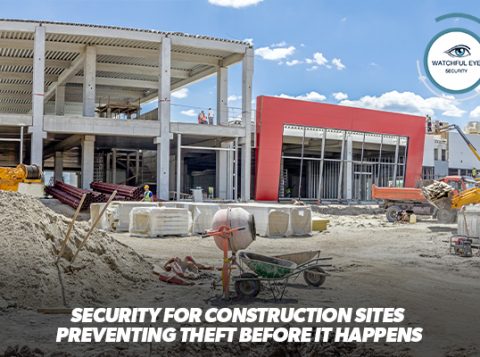
For construction or event sites, position storage containers and high-value equipment within the most secure areas, ideally surrounded by fencing or barriers. Keep entry routes defined and avoid unnecessary access points. In remote locations, a single strong gate is often more effective than multiple weak ones.
Eyes on the Ground — Even When You’re Not There
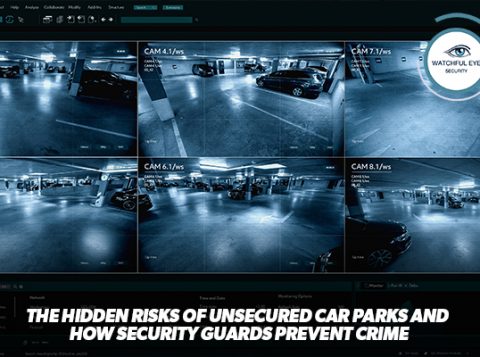
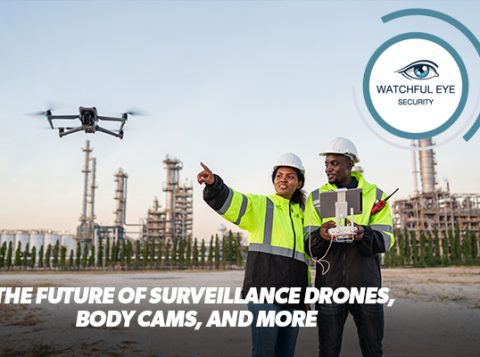
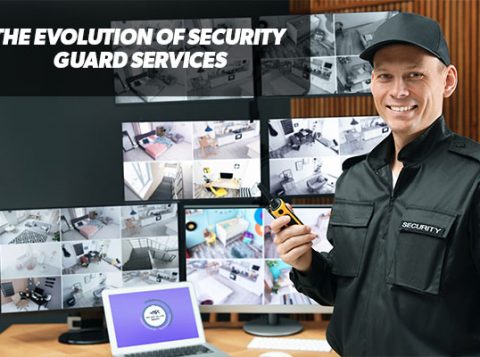
CCTV has come a long way from grainy footage and tangled cables. Modern wireless surveillance systems can cover vast areas, send live feeds straight to your phone, and alert you the moment something’s off. For sites without power or internet, solar-powered cameras with 4G connectivity are game-changers.
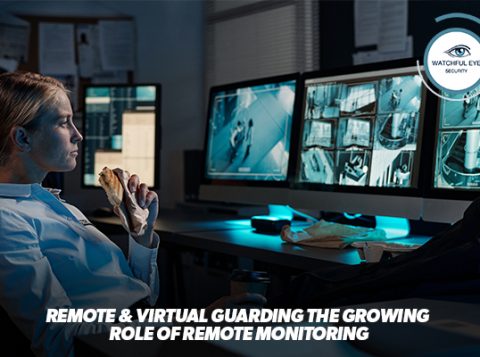
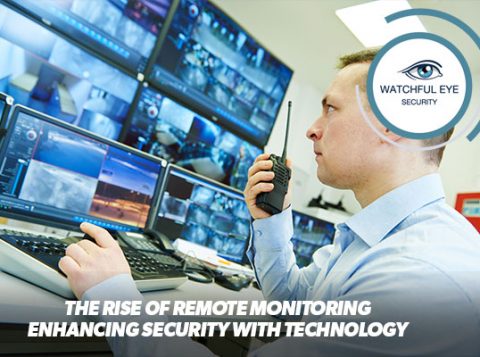
Motion sensors, virtual tripwires, and remote monitoring centres can also keep watch 24/7. When combined with loudspeakers or alarms that can be activated remotely, you’ve got instant deterrence — no security guard needed on-site full-time.
Layered Security = Lasting Protection
The best approach to securing a remote site is layered defence. Start with perimeter fencing and locked gates. Add lighting, alarms, and surveillance. Then back it up with smart tech like access control systems and GPS tracking for vehicles or tools.
Each layer slows down intruders and increases the chance they’ll be spotted or scared off before any damage is done. Even simple steps like engraving equipment or using tamper-proof fixings can make a huge difference.
Keep Communication Lines Open
Remote doesn’t have to mean disconnected. Equip your on-site teams or contractors with reliable communication tools — two-way radios, satellite phones, or apps that allow instant check-ins. Establish a check-in schedule so no one’s ever completely out of contact.
For lone workers, real-time tracking and panic alerts are invaluable. Knowing help can be called at the press of a button provides both safety and peace of mind.
Lighting: The Unsung Hero of Site Security
Never underestimate the power of good lighting. Well-placed floodlights, motion-activated lamps, and solar-powered perimeter lights not only make surveillance easier but also send a clear message: This site is monitored.
Criminals prefer the cover of darkness. Eliminate that, and you remove one of their biggest advantages.
Don’t Forget Human Vigilance
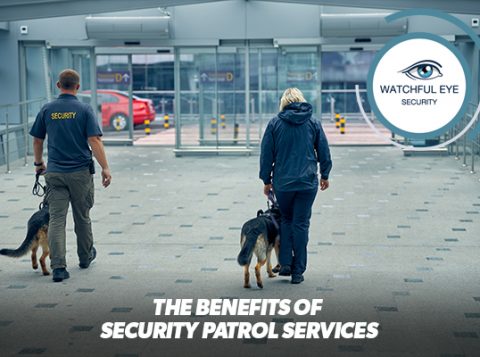
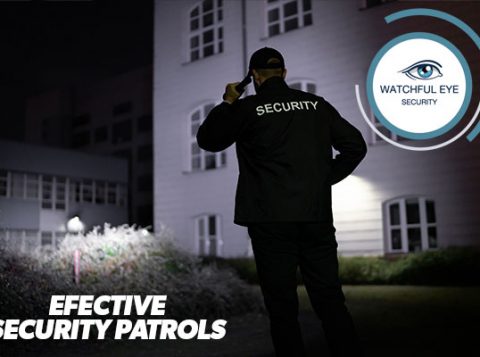
Even with all the tech in the world, human presence still matters. Scheduled patrols, regular site inspections, and random spot checks by security officers keep potential threats guessing. A visible uniform or branded vehicle can act as an instant deterrent.
If 24-hour manned security isn’t practical, a mix of remote monitoring and mobile response teams can offer the best of both worlds — fast action when it counts.
Remote and isolated sites demand a different level of security thinking. It’s not about constant supervision, but constant readiness. By combining strong physical protection, advanced tech, and clear communication, you can stay one step ahead of risks — no matter how far off the grid you are.
Because when your site is secure, your team can focus on what they do best — building, creating, and delivering — without looking over their shoulder.