When CCTV Isn’t Enough: The Limits of Technology Without Human Presence
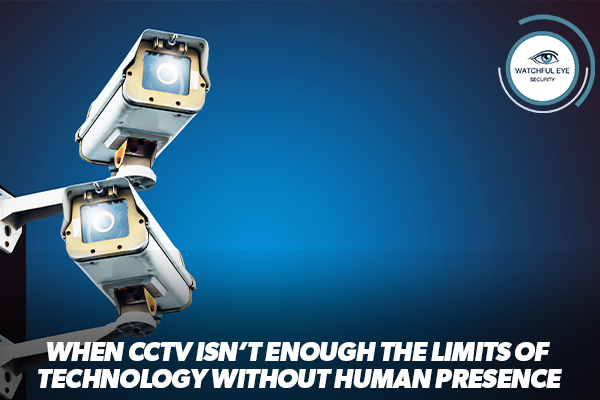
Closed-circuit television systems have become a standard feature in modern security. From retail stores and warehouses to offices and residential buildings, CCTV cameras are widely used to monitor activity and deter crime. While this technology plays an important role in protecting property, it is not a complete security solution on its own. Without human presence and intervention, CCTV has clear limitations.
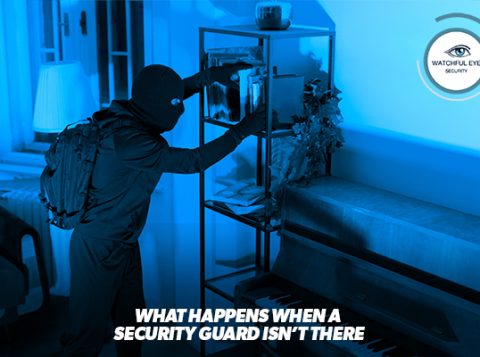
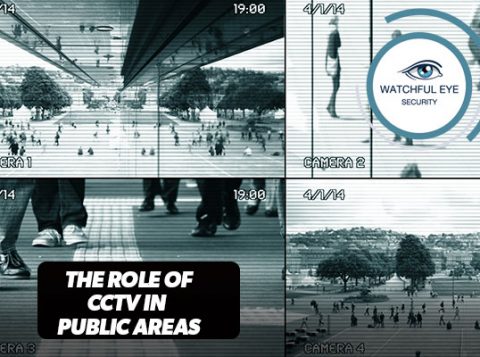
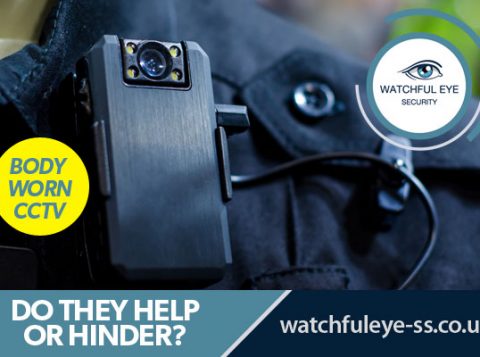
Cameras are designed to record events, not prevent them. In many cases, footage is only reviewed after an incident has occurred. While recordings can provide valuable evidence, they do little to stop theft, vandalism, or trespassing in the moment. Criminals who conceal their identity or act quickly may still succeed, even if their actions are captured on camera.
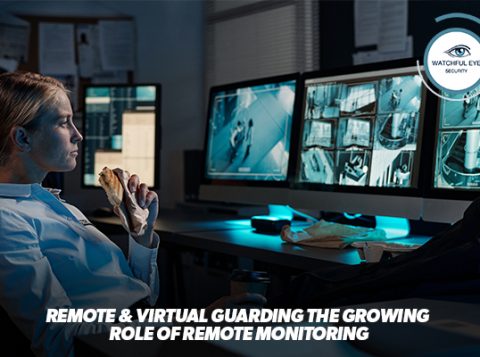
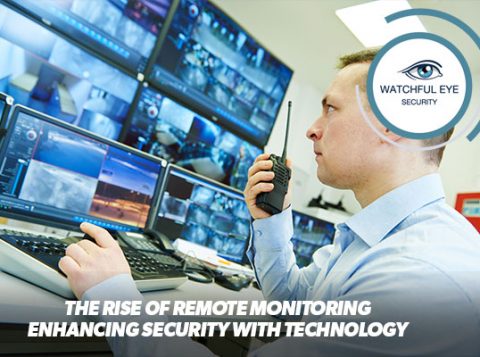
Another limitation is response time. An unmanned CCTV system cannot physically intervene. If suspicious activity is detected, someone must notice it, assess the situation, and take action. Without a dedicated team monitoring live feeds, incidents may go unnoticed for extended periods. Even when monitoring is in place, the absence of on-site personnel can delay an effective response.
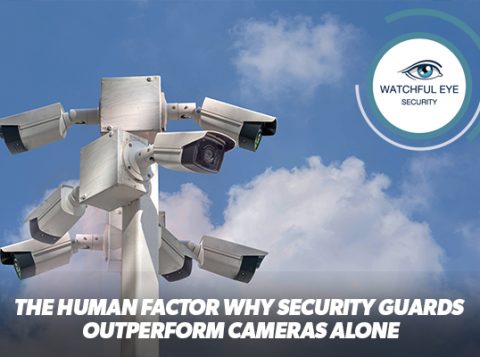
Cameras also have technical constraints. Blind spots, poor lighting, adverse weather conditions, and equipment malfunctions can reduce their effectiveness. A camera cannot adjust its position independently or investigate unusual sounds outside its field of view. Criminals who understand these limitations may deliberately exploit them.
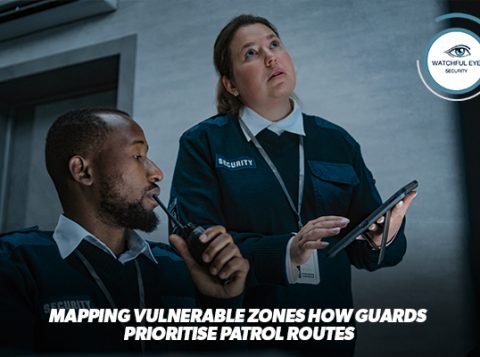
Human behaviour is another factor that technology alone cannot fully address. Security is not only about observing actions but also about interpreting intent. Trained security personnel can recognise subtle signs of suspicious behaviour that may not immediately appear alarming on screen. Body language, unusual movement patterns, and environmental cues often require human judgement and experience.
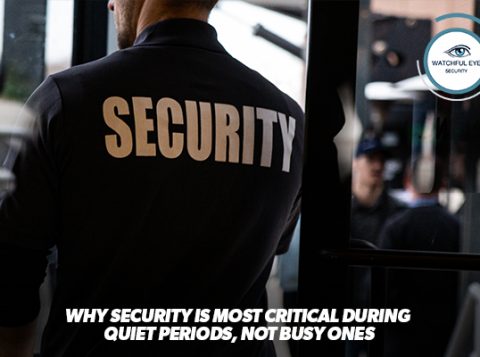
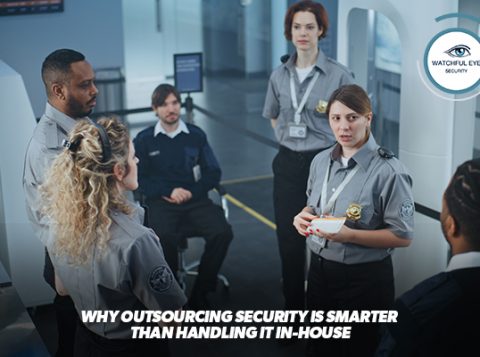
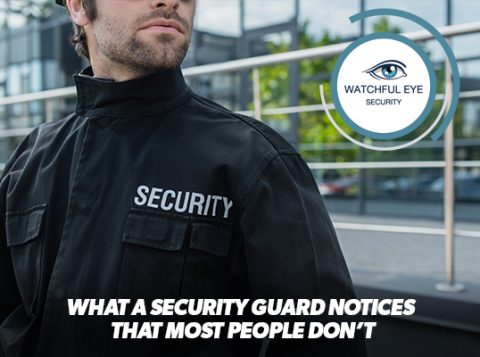
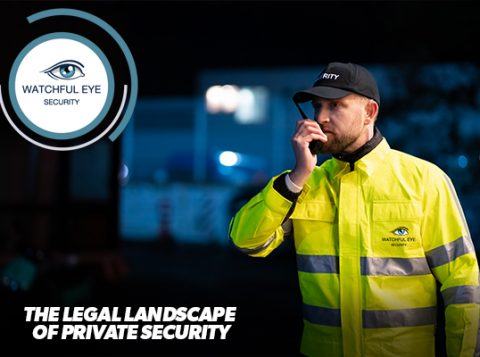
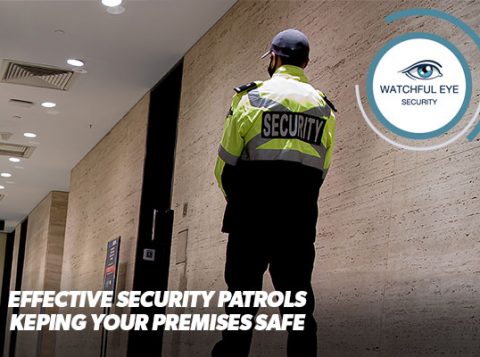
The visible presence of security staff also acts as a powerful deterrent. While cameras may discourage some opportunistic crime, determined individuals are often less concerned about being recorded, particularly if they believe the footage will not be reviewed immediately. A uniformed security guard, however, sends a clear and immediate message that the premises are actively protected.
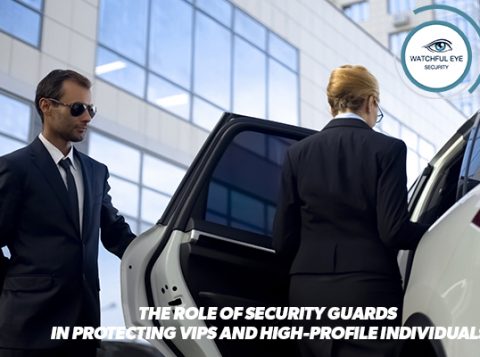
In addition to preventing crime, human security provides reassurance. Employees, customers, and visitors often feel more confident when they see trained personnel on site. Security guards can assist with access control, manage challenging situations, and respond to emergencies in ways that cameras simply cannot.
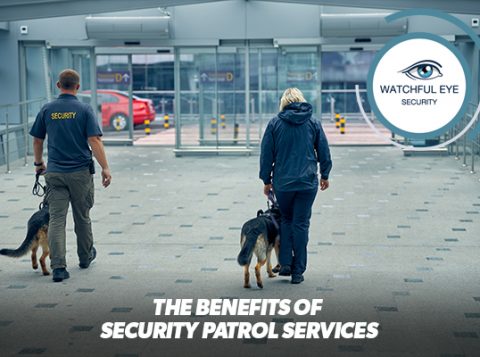
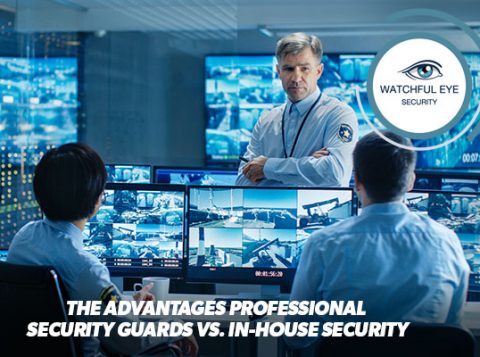
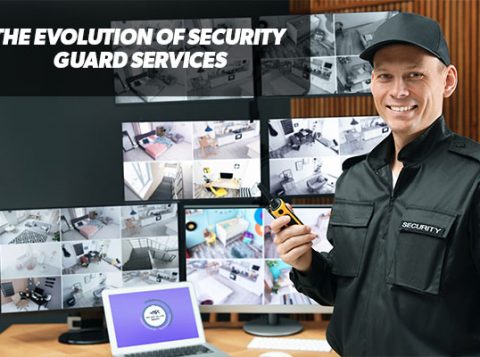
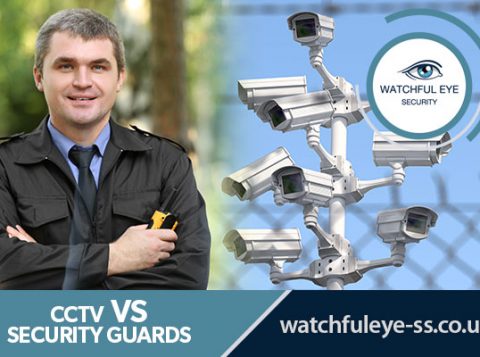
Technology and human presence work best together. CCTV systems enhance situational awareness and provide valuable documentation, while security personnel offer judgement, adaptability, and immediate action. When a camera identifies unusual activity, a guard can investigate promptly. When a situation escalates, trained professionals can de-escalate tensions and ensure safety.
Relying solely on technology can create a false sense of security. Businesses may assume that the installation of cameras is enough to deter crime, only to discover vulnerabilities when an incident occurs. Effective security requires a layered approach that combines equipment, planning, and professional expertise.
CCTV is a valuable tool, but it is not a replacement for human vigilance. By integrating technology with trained security personnel, businesses can create a stronger, more responsive system that protects people, property, and reputation. In an environment where risks continue to evolve, the human element remains essential.