Event Security Planning: What Happens Behind the Scenes
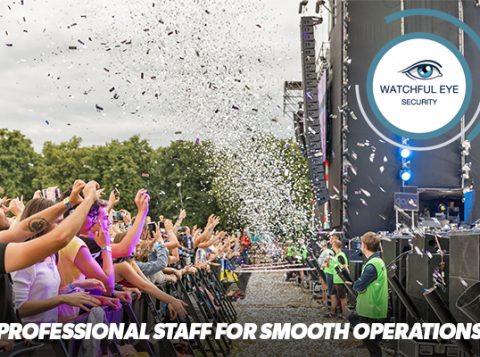
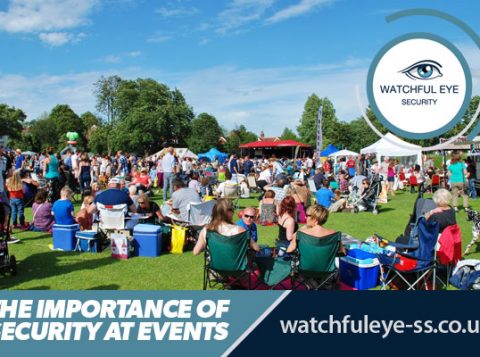
When guests attend a concert, festival, corporate function, or private celebration, they rarely think about the detailed security planning that makes the event safe. To most attendees, security may simply appear as uniformed guards at entrances or patrolling the venue. However, behind the scenes, extensive preparation takes place long before the first guest arrives.
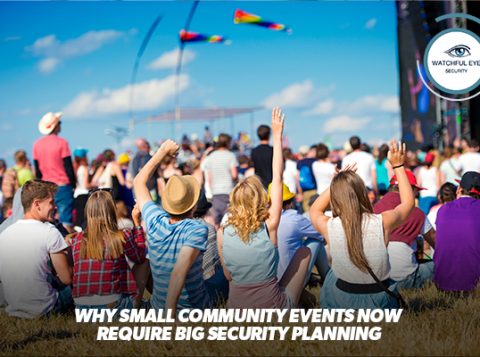
Effective event security begins with a comprehensive risk assessment. Security professionals work closely with event organisers to understand the nature of the event, the expected number of attendees, the type of audience, and the venue layout. Each event carries its own set of risks. A music festival presents different challenges from a corporate conference or a sporting event. By identifying potential threats early, security teams can design a plan tailored to the specific requirements of the occasion.
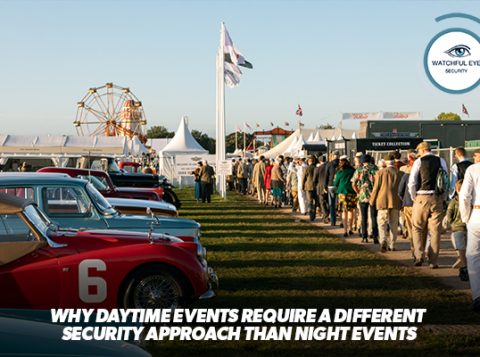
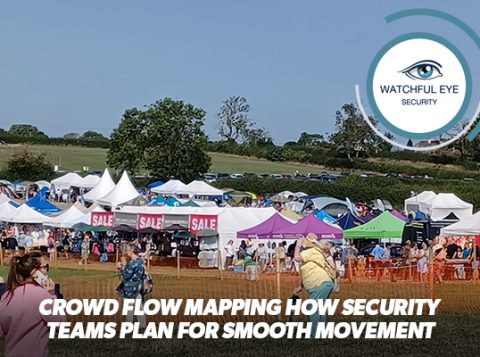
Venue assessment is another crucial element of preparation. Security planners examine entry and exit points, emergency routes, restricted areas, and potential blind spots. They consider how crowds will move through the space and where congestion may occur. Careful planning of barriers, checkpoints, and steward positions helps ensure that people can enter and exit safely without unnecessary delays or confusion.
Communication planning is equally important. Behind every well-managed event is a clear chain of command. Security teams establish roles and responsibilities in advance so that everyone understands their duties. Reliable communication systems allow staff to report concerns quickly and coordinate responses without causing alarm among guests. This level of organisation ensures that any issue can be handled efficiently and discreetly.
Access control is carefully structured long before the event opens. Guest lists, ticketing systems, accreditation passes, and staff identification processes are all reviewed to prevent unauthorised access. Backstage areas, equipment zones, and VIP sections require additional protection. By managing these areas effectively, security teams reduce the risk of theft, disruption, or safety breaches.
Emergency planning forms a vital part of behind-the-scenes preparation. Security professionals develop contingency plans for a range of scenarios, including medical emergencies, severe weather, fire incidents, or crowd disturbances. These plans are often created in collaboration with local authorities, emergency services, and medical teams. Clear evacuation procedures and designated assembly points are mapped out to ensure swift action if required.
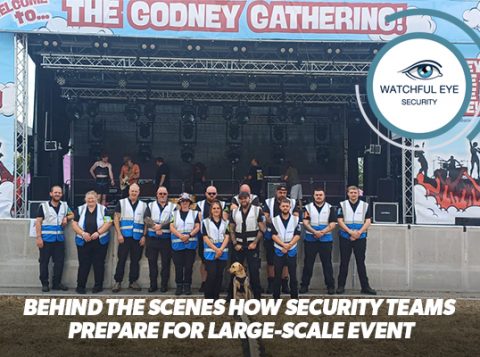
Staff briefing sessions take place before the event begins. During these briefings, security personnel review the event schedule, identify high-risk periods, and discuss any specific concerns. This preparation ensures that everyone is aligned and ready to respond appropriately throughout the day or evening.
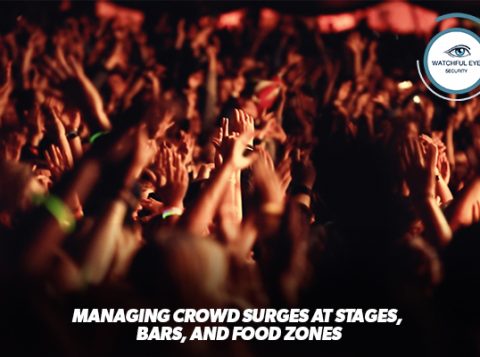
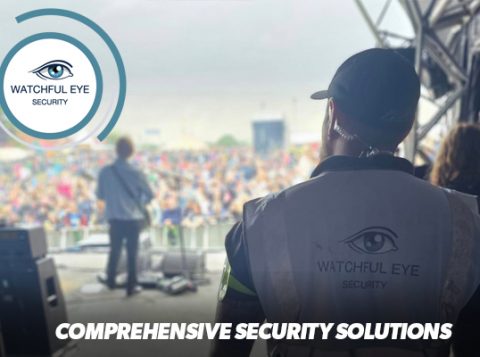
Monitoring continues throughout the event. While guests enjoy the occasion, security teams remain vigilant, observing crowd behaviour, identifying potential risks, and adjusting their approach as needed. Their presence is designed to be reassuring rather than intrusive, maintaining a balance between visibility and discretion.
After the event concludes, the work is not necessarily finished. Security teams often conduct debrief sessions to review what went well and identify any areas for improvement. This evaluation process helps refine future security strategies and ensures continuous improvement.
Event security planning is far more than placing guards at entrances. It is a carefully coordinated operation involving assessment, preparation, communication, and ongoing vigilance. When executed professionally, it allows guests to focus on enjoying the event, confident that their safety is in capable hands.
Behind every successful event is a dedicated security team working quietly and efficiently to manage risks and protect everyone involved.