Lone Worker Protection: Is Your Business Legally Covered?
Lone Worker Protection: Is Your Business Legally Covered?
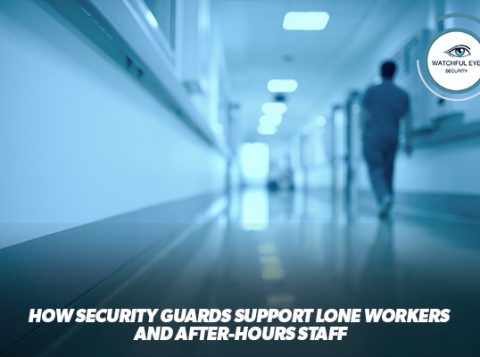
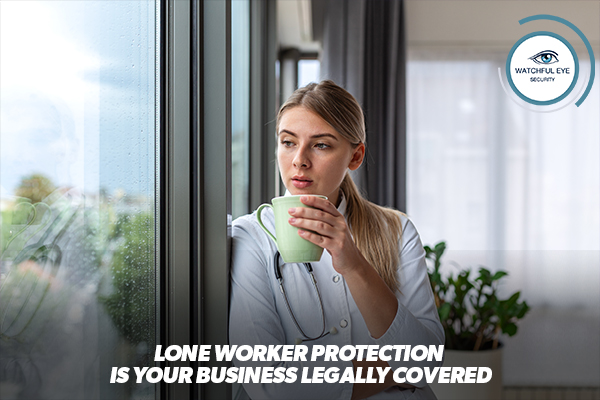
Many businesses rely on employees who work alone for part or all of their shift. From security officers and cleaners to delivery drivers, carers, and key holders, lone workers play a vital role across many industries. However, when an employee works without direct supervision or immediate support, the risks can increase significantly. The key question every employer should ask is whether their business is properly protected, both practically and legally.
In the United Kingdom, employers have a legal duty of care to protect the health, safety, and welfare of their employees. This responsibility applies equally to lone workers. The Health and Safety at Work Act 1974 requires employers to take reasonable steps to ensure staff are not exposed to unnecessary risks. If a lone worker is injured or harmed while carrying out their duties and adequate precautions were not in place, the business could face serious legal and financial consequences.
Lone workers can face a range of risks depending on their role. Some may work in isolated locations, such as warehouses, construction sites, or remote facilities. Others may interact directly with members of the public, which can increase the likelihood of confrontation or aggression. There are also risks related to accidents, medical emergencies, or unexpected incidents where immediate assistance may not be readily available.
One of the most important steps a business can take is to carry out a thorough risk assessment. This process helps identify potential hazards and evaluate how likely they are to occur. A proper assessment should consider the working environment, the tasks involved, and the level of interaction with others. Without a clear understanding of these risks, it is impossible to put effective safeguards in place.
Communication is central to lone worker protection. Employees who work alone should have reliable methods of contacting supervisors or emergency services if needed. Regular check-ins, monitoring systems, and clear reporting procedures help ensure that any concerns are identified quickly. Modern technology, such as lone worker devices or mobile monitoring applications, can provide additional layers of protection by allowing real-time tracking and emergency alerts.
Training also plays a crucial role. Lone workers should understand the risks associated with their role and know how to respond to challenging situations. This may include conflict management training, personal safety awareness, and clear guidance on what to do in an emergency. Well-trained employees are more confident and better prepared to handle unexpected circumstances.
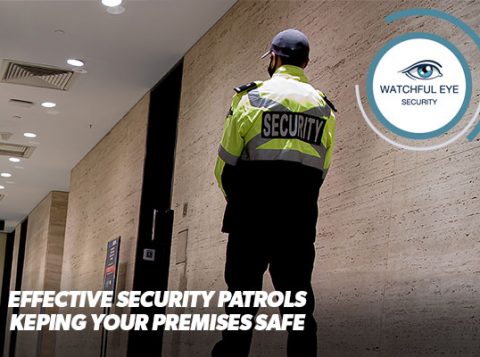
Professional security support can further strengthen lone worker protection. For businesses operating in higher-risk environments, security personnel can provide additional oversight, carry out regular patrols, and respond rapidly if an issue arises. Even the presence of visible security measures can reduce the likelihood of incidents occurring in the first place.
Documentation is equally important from a legal perspective. Employers should keep clear records of risk assessments, training sessions, safety procedures, and any incidents that occur. Proper documentation demonstrates that the business has taken reasonable and responsible steps to protect its staff. In the event of an investigation or claim, these records can provide vital evidence of compliance.
Protecting lone workers is not simply about meeting legal requirements. It is about safeguarding the wellbeing of employees and demonstrating that their safety is a genuine priority. When staff feel secure and supported, they are more likely to perform their roles effectively and remain committed to the organisation.
Every business that employs lone workers should regularly review its safety measures and ask whether they are truly adequate. Being legally covered means more than having policies on paper. It requires practical action, ongoing monitoring, and a commitment to continuous improvement. By taking proactive steps to protect lone workers, businesses can reduce risk, strengthen compliance, and create a safer working environment for everyone involved.