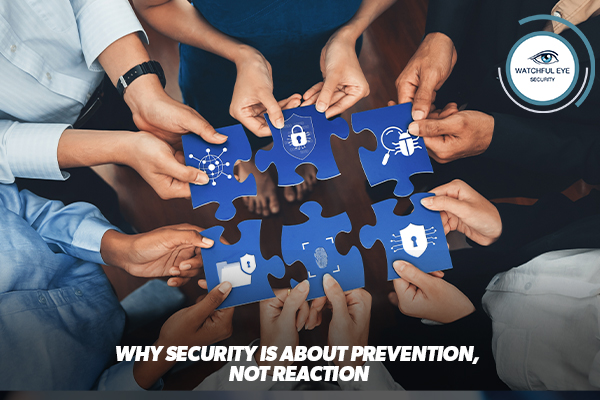
Why Security Is About Prevention, Not Reaction
Why Security Is About Prevention, Not Reaction
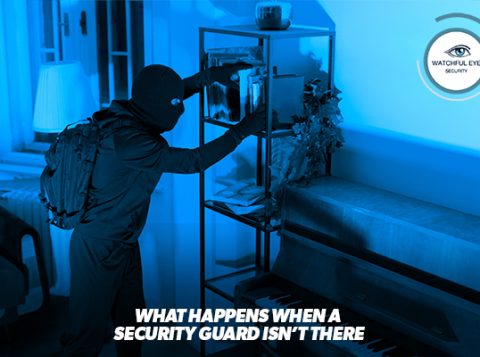
When people think about security, they often imagine alarms sounding, guards responding to incidents, or emergency services being called. While these reactive measures are important, true security is built on prevention. The most effective security strategies focus on stopping problems before they happen, rather than dealing with the consequences afterwards. For businesses, this proactive approach not only protects people and property but also reduces disruption, stress, and financial loss.
Preventative security begins with understanding risk. Every workplace, building, and organisation faces different threats, from unauthorised access and theft to vandalism and cybercrime. By identifying these risks early, businesses can put measures in place that reduce opportunities for incidents to occur. This might include access control systems, CCTV monitoring, secure entry points, and clear visitor management procedures. These steps create layers of protection that discourage criminal activity and make sites less attractive targets.
A strong preventative approach also improves employee safety and wellbeing. When staff feel secure in their workplace, they are more confident, productive, and focused. Clear security policies, visible security measures, and well-maintained systems help create a sense of safety and stability. Training employees to recognise suspicious behaviour and follow security procedures adds another valuable layer of defence, turning everyone into an active part of the prevention process.
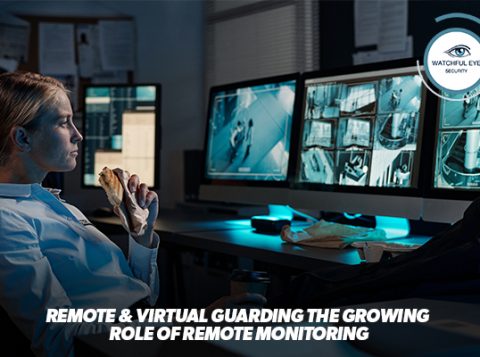
Technology plays a key role in modern preventative security. Advanced surveillance systems, smart alarms, and real-time monitoring allow potential threats to be identified early. This enables swift action before a situation escalates into a serious incident. Cybersecurity measures are equally important, helping to protect sensitive data and business systems from digital threats that can cause major disruption and financial harm.
Prevention is also more cost-effective than reaction. Responding to incidents often involves repairs, replacements, legal costs, downtime, and potential damage to reputation. In contrast, investing in preventative security measures helps reduce the likelihood of these costly events occurring in the first place. Over time, this approach saves money and supports long-term business resilience.
Ultimately, security should not be seen as a response to danger, but as a continuous process of risk management and improvement. By focusing on prevention, businesses can stay one step ahead of potential threats, creating safer environments for employees, customers, and visitors. A proactive mindset not only protects assets but also builds trust, stability, and peace of mind, making prevention the cornerstone of effective security.