Mapping Vulnerable Zones: How Guards Prioritise Patrol Routes
Mapping Vulnerable Zones: How Guards Prioritise Patrol Routes
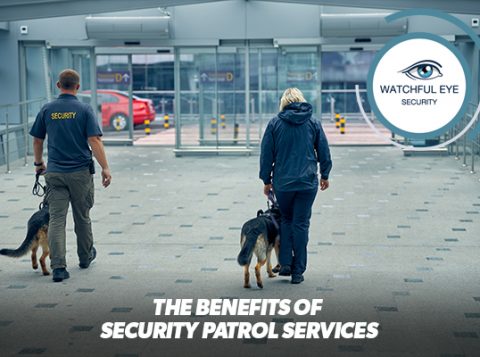
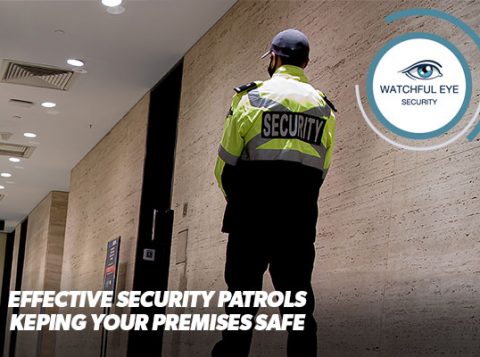
Security patrols may look simple from the outside, but behind every guard’s movement is careful planning and strategy. Patrol routes are not chosen at random. They are designed to protect the most vulnerable areas, reduce risk, and ensure that security presence is felt where it matters most. Mapping vulnerable zones is one of the most important steps in creating an effective patrol system.
A vulnerable zone is any area where security threats are more likely to occur. These locations may include entrances, poorly lit spaces, isolated corridors, storage areas, or places where valuable equipment is kept. Guards focus on these zones because they often provide opportunities for theft, unauthorised access, or unsafe behaviour. Identifying these areas early allows security teams to respond before incidents happen.
Guards also prioritise patrol routes based on patterns of activity. High-traffic areas may require frequent monitoring because crowds can lead to disorder, conflict, or opportunistic crime. On the other hand, quieter zones may need attention because they offer privacy for suspicious actions. A strong patrol plan balances both busy and hidden locations to reduce blind spots across the site.
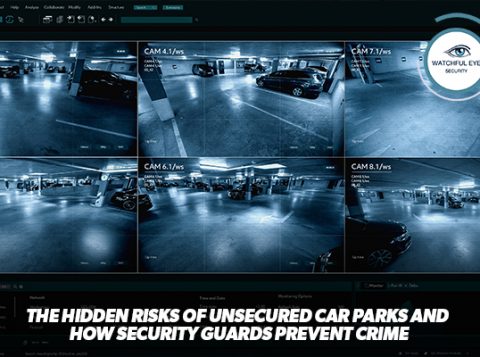
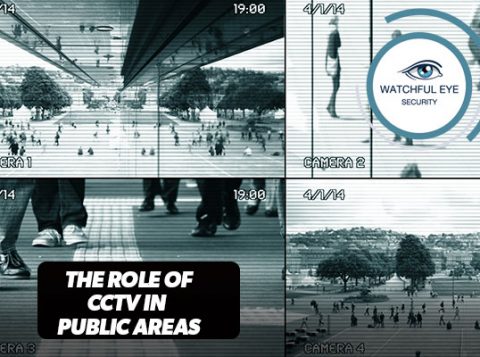
Technology plays an increasing role in mapping these vulnerable zones. Surveillance systems, access control data, and incident reports help security teams understand where problems are most likely to occur. By reviewing this information, guards can adjust patrol routes to match current risks rather than relying on routine habits. This approach makes patrols more unpredictable and therefore more effective.
Another key factor is timing. Certain zones may be safe during the day but become vulnerable at night, especially if lighting is limited or staffing levels are lower. Guards often vary their patrol schedules depending on the time of day, the type of event, or changes in the environment. This flexibility ensures that security coverage remains strong when risks increase.
Communication is also essential in prioritising patrol routes. Guards share observations, report unusual behaviour, and stay informed about shifting conditions. A patrol route is not just a path to follow but a living strategy that evolves with real-time information. This teamwork allows security staff to focus attention where it is most urgently needed.
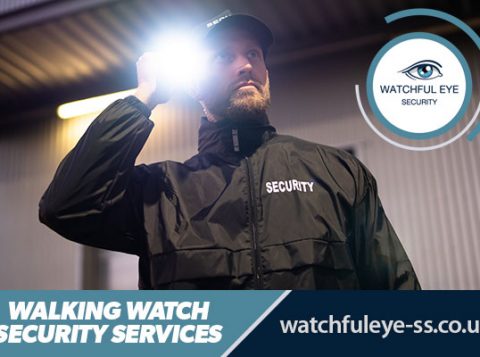
Mapping vulnerable zones is ultimately about prevention. By understanding the layout of a location and recognising where threats are most likely to appear, guards can patrol with purpose. Instead of simply walking the same loop, they become active protectors of key areas, helping to create safer environments for staff, visitors, and property.
Effective patrol routes are built on awareness, planning, and constant evaluation. When guards prioritise vulnerable zones, they do more than respond to incidents. They reduce the chance of those incidents happening in the first place.