Security for Businesses During Staff Shortages and Reduced Hours
Security for Businesses During Staff Shortages and Reduced Hours
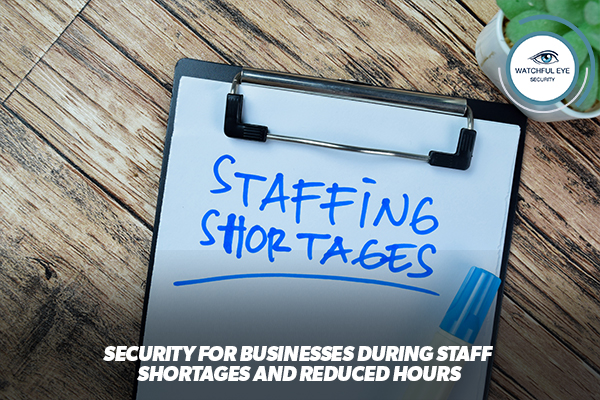
Staff shortages and reduced operating hours have become a reality for many businesses, but security risks do not shrink along with headcount. In fact, fewer employees on-site often increase exposure to threats. With limited personnel available to monitor activity, respond to incidents, or enforce procedures, even small security gaps can quickly turn into major vulnerabilities. Businesses must recognize that reduced staffing changes their risk profile and adjust their security strategies accordingly.
When fewer employees are present, oversight naturally declines. Tasks that were once double-checked may be handled by a single person, and warning signs—such as suspicious behavior, system alerts, or procedural deviations—can be missed. Reduced hours also create longer stretches of inactivity, giving criminals more time to act without detection. Whether it’s unauthorized access to facilities, theft, or cyber intrusion, the absence of staff creates opportunities that would not exist during fully staffed operations.
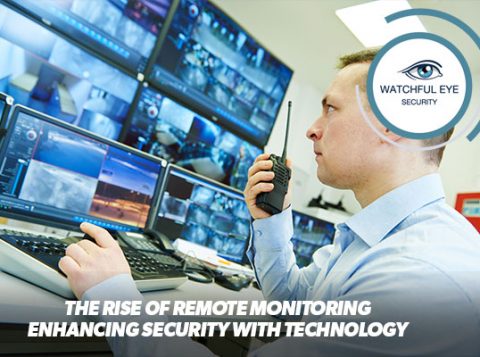
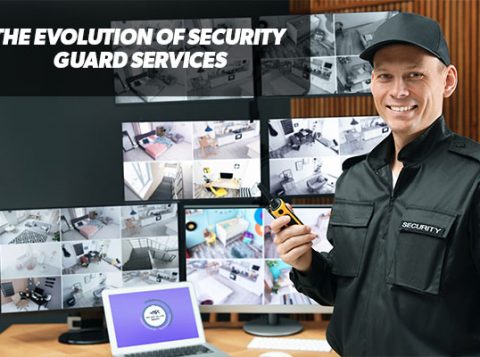
Technology often becomes the first line of defense during these periods. Surveillance systems, access controls, intrusion detection, and automated monitoring tools help compensate for the lack of human presence. However, technology alone is not enough. These systems must be properly maintained, actively monitored, and supported by clear escalation procedures to ensure that alerts lead to timely action—even when staff availability is limited.
Clear policies and employee awareness are equally critical. When teams are smaller, every employee plays a larger role in security. Cross-training staff, simplifying procedures, and reinforcing accountability help ensure that security responsibilities are not overlooked during busy or understaffed shifts. Consistency matters more than complexity when resources are stretched thin.
Ultimately, effective security during staff shortages is about planning for reality, not ideal conditions. Businesses that proactively adapt their security posture—by strengthening controls, leveraging automation, and clarifying responsibilities—can remain resilient despite reduced hours or limited personnel. By treating lean periods as high-risk moments rather than low-priority ones, organizations protect both their assets and their long-term stability.