Security for High-Value Deliveries and Collections: What Businesses Get Wrong
High-value deliveries and collections are a routine part of many businesses, from retail and manufacturing to construction and logistics. Despite the obvious risks involved, security is often treated as an afterthought. Many organisations believe that careful scheduling or discreet packaging is enough to keep valuable goods safe. In reality, these assumptions can leave businesses exposed to theft, loss, and serious operational disruption.
One of the most common mistakes businesses make is assuming that keeping delivery details confidential is sufficient protection. While discretion is important, it does not eliminate risk. Patterns still form over time, such as regular collection days, predictable routes, or consistent loading areas. Criminals are skilled at observing routines and identifying opportunities, often without needing inside information. Without visible or active security, high-value movements can quickly become a target.
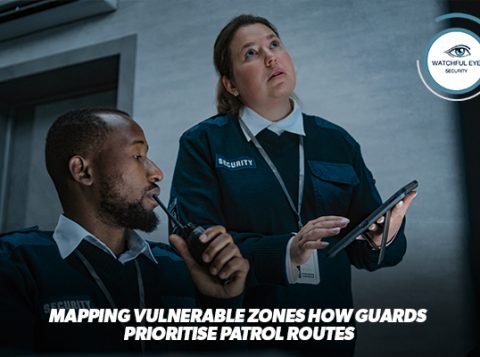
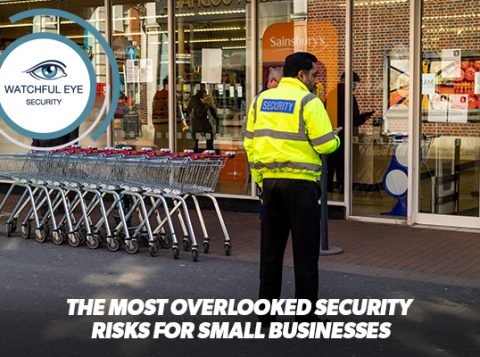
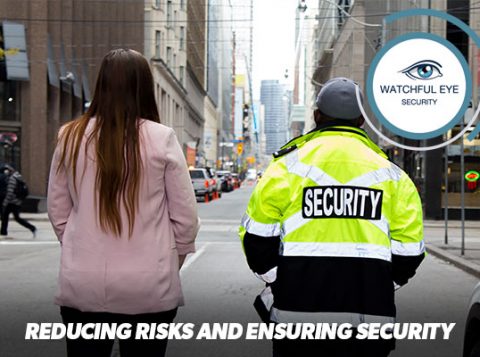
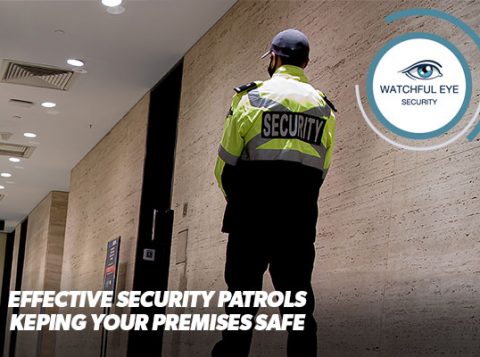
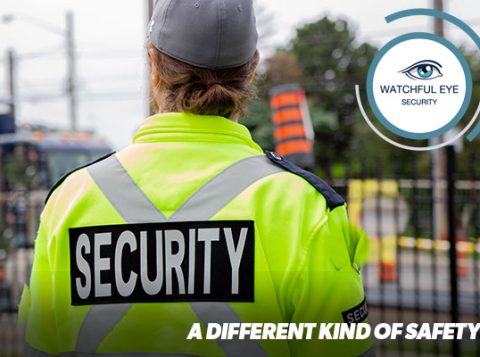
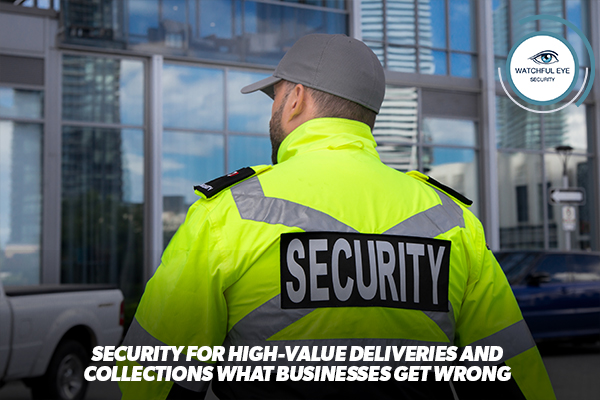
Another issue is over-reliance on drivers and warehouse staff to manage security themselves. Drivers are focused on tight schedules, traffic, and customer service, while warehouse teams are under pressure to load and unload efficiently. Expecting them to also spot suspicious behaviour or intervene in a potential security incident places them in a difficult and sometimes unsafe position. Professional security guards are trained to monitor surroundings, control access, and respond calmly to emerging risks without disrupting operations.
Many businesses also underestimate the risk during collections rather than deliveries. When valuable items are being removed from a site, attention often shifts to paperwork and time constraints. This can create moments of distraction, especially in busy yards or shared loading areas. Without controlled access and proper supervision, unauthorised individuals can blend in or take advantage of confusion, leading to loss or confrontation.
Poor communication is another weakness. Security plans often exist only on paper and are not clearly shared with drivers, staff, or third-party contractors. This can result in misunderstandings about arrival times, collection procedures, or emergency responses. When everyone involved understands the security process and knows who is responsible at each stage, risks are significantly reduced.
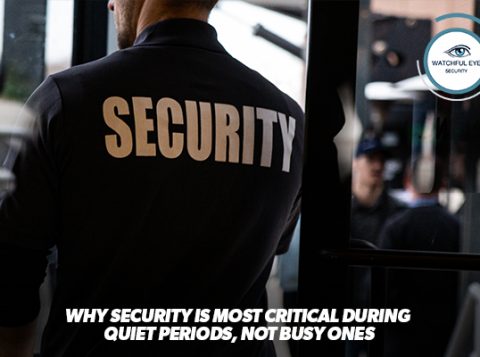
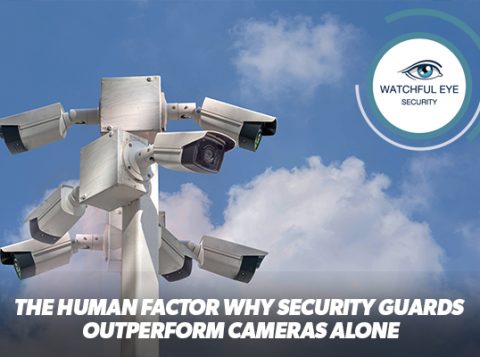
Some businesses rely heavily on CCTV alone, believing cameras will deter theft. While CCTV is valuable for monitoring and evidence, it does not actively prevent incidents as they happen. Cameras cannot challenge suspicious behaviour, control vehicle movements, or manage unexpected situations. A trained security guard provides a visible deterrent and immediate response, which is particularly important when high-value goods are in transit or exposed.
Security for high-value deliveries and collections works best when it is proactive rather than reactive. This means planning beyond the vehicle itself and considering the wider environment, including access points, visibility, timing, and human behaviour. A professional security presence helps ensure that deliveries and collections are carried out smoothly, safely, and without unnecessary risk.
Ultimately, businesses get security wrong when they view it as a cost instead of a safeguard. The loss of high-value goods, potential injury to staff, and damage to reputation far outweigh the investment in proper protection. By recognising the limitations of informal security measures and adopting a more structured, professional approach, businesses can protect their assets and maintain confidence in their operations.