How Security Guards Support Lone Workers and After-Hours Staff
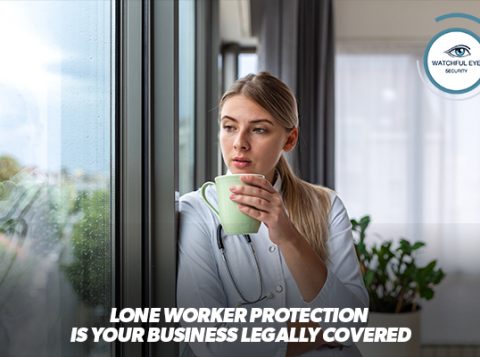
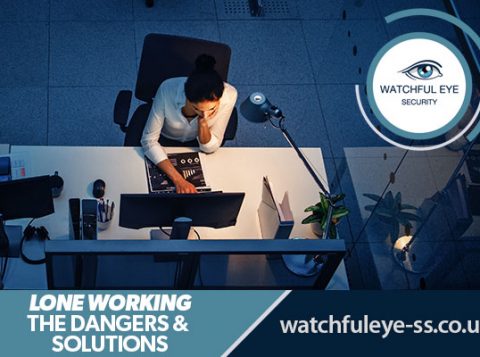
Many businesses rely on staff working alone or outside normal operating hours. Cleaners, warehouse operatives, maintenance teams, healthcare workers, and office staff often find themselves on site late at night or early in the morning when buildings are quiet and support is limited. While lone and after-hours working is sometimes unavoidable, it carries increased risk if the right security measures are not in place.
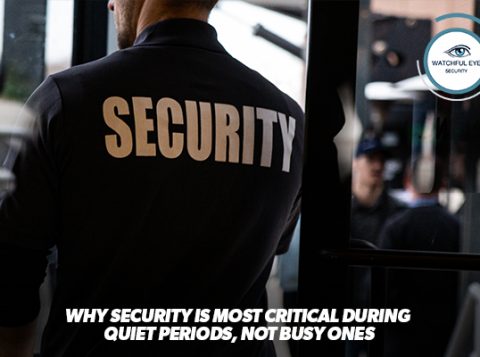
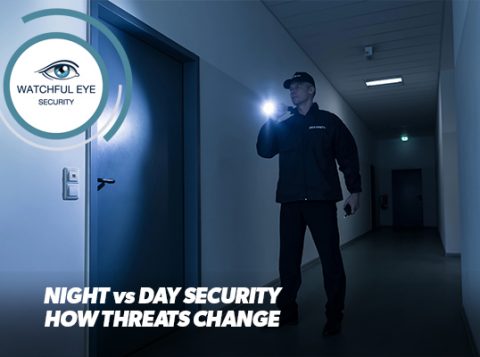
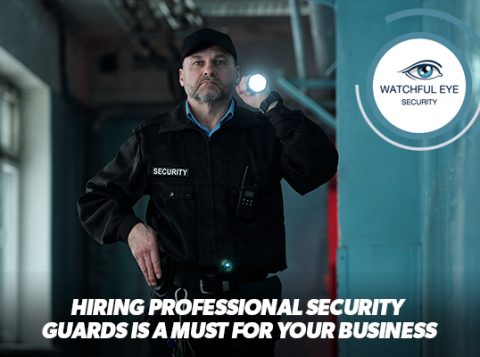
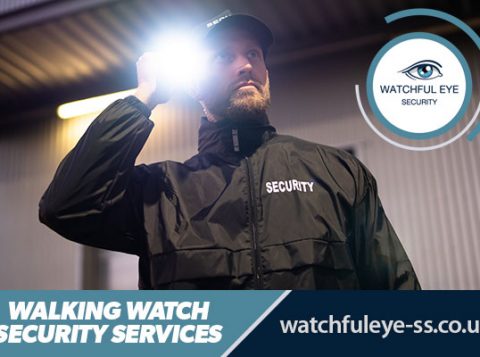
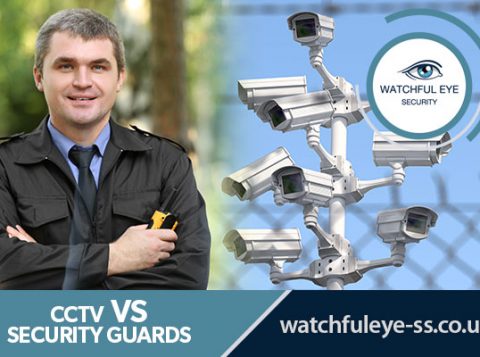
One of the biggest concerns for lone workers is personal safety. With fewer people around, the risk of confrontation, trespassing, or unexpected incidents increases. Security guards provide a visible presence that immediately reduces the likelihood of unauthorised access or antisocial behaviour. Their presence alone can deter opportunistic crime and create a safer environment for staff who would otherwise feel isolated.
Security guards also play a crucial role in monitoring access during unsociable hours. Many incidents occur not because of forced entry, but because doors are left unsecured, access codes are shared, or unfamiliar individuals are not challenged. A trained guard controls who enters and exits the site, ensuring that only authorised personnel are present and that lone workers are not put in vulnerable situations.
In the event of an incident, lone workers often have limited options for immediate support. Security guards are trained to respond quickly and calmly to emergencies, whether that involves dealing with aggressive behaviour, providing first aid, or contacting emergency services. Knowing that help is close by gives lone workers confidence and reduces stress, allowing them to focus on their tasks rather than their safety.
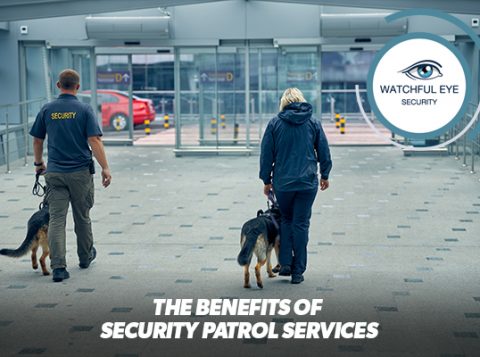
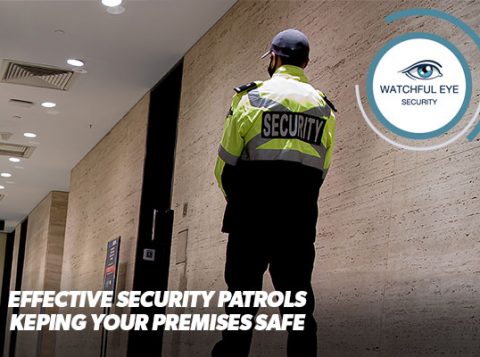
After-hours work also increases the risk of accidents going unnoticed. A slip, fall, or equipment malfunction can become far more serious if no one is aware it has happened. Security guards carry out regular patrols and welfare checks, ensuring that staff are safe and that any issues are identified early. This level of oversight can be critical in preventing minor incidents from becoming serious emergencies.
Security guards also act as a point of communication between lone workers and management. Clear reporting of incidents, hazards, or suspicious activity helps businesses identify patterns and improve safety procedures. Over time, this creates a safer working environment and demonstrates a clear commitment to staff welfare.
Supporting lone workers and after-hours staff is not just about meeting legal responsibilities, but about creating a culture of care and protection. By providing trained security guards on site, businesses show that they take safety seriously, even when operations are quieter and risks are easier to overlook.
For organisations that rely on lone or after-hours working, professional security support offers reassurance, protection, and peace of mind. It allows staff to carry out their roles safely and confidently, knowing that someone is there to watch over the site and respond when it matters most.